AI Fluency · SIGN
~40,000 BC
So when the machine can write it all — what makes it yours?
that's the question this method answers.

SIGN

How to put your signature on AI outputs

Everyone now has access to AI. What it can't supply is you: your read of the client, your voice, your call on what's good enough to send.

S
Should AI do this?
Which parts, and how much of it?
I
Is it informed?
Have I given it what it needs to do this well?
G
Is it good?
Is this actually good — and how do I know?
N
Name on it?
Would I put my name on this and send it?
S

Should AI do this?

which parts, and how much of it

Split the job before you write a word of prompt. Volume goes left. Judgement stays right.
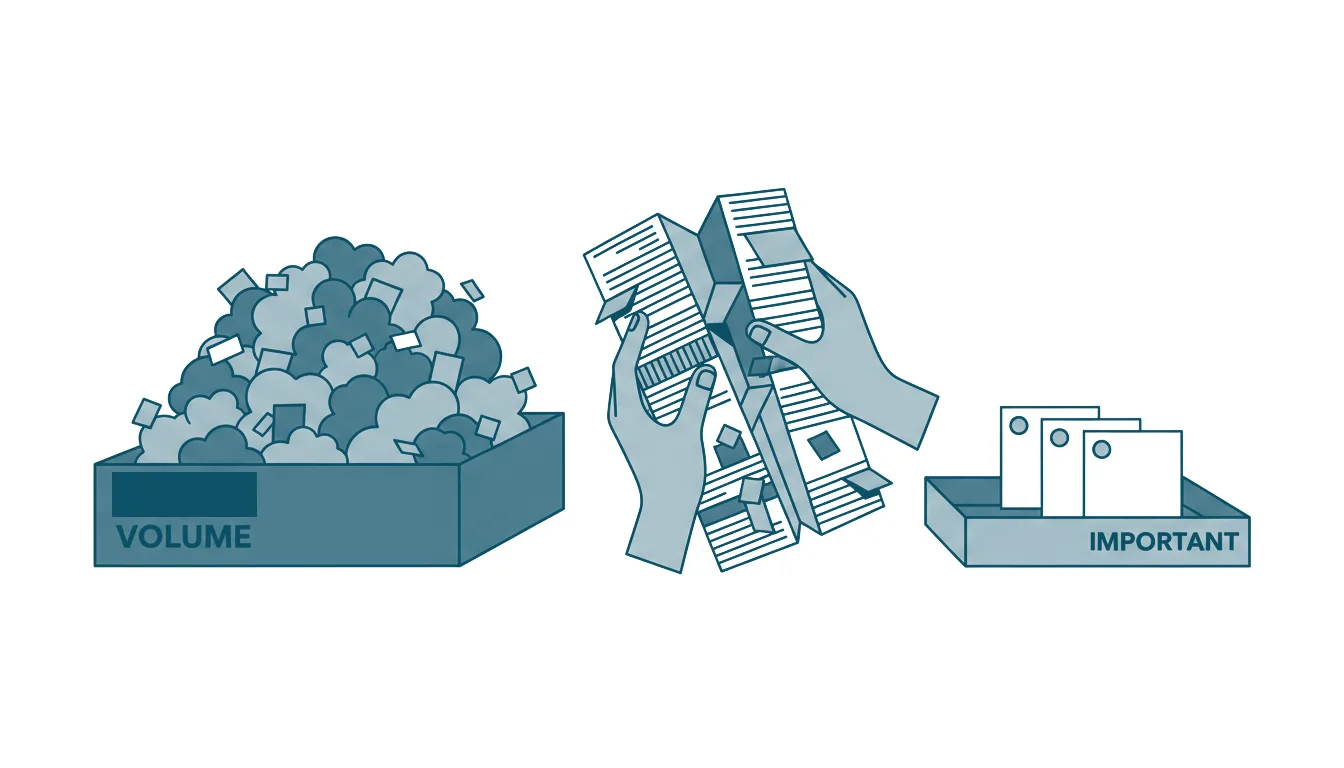
Line drawing: hands splitting one stack of paper into a volume tray and an important tray
Hand it over
volume, structure, repetition
Read a stack of documents → notes and a summary
First cut of a report
Analyse the data; find the patterns in survey results
First cut of a newsletter
Compliance matrices, formats, deadlines, logistics
Meeting transcripts → actions
The standard sections — the 60% that's the same every time
Reformatting anything into anything
Keep it
this is the job
StrategyThe call on what we actually do, and why this and not that.
The storyMaking it relate. Making it land in this room, not a room.
Anything with a person in itThe meeting, the pushback, the relationship. Where we shine.
Pricing and commercial postureWhat to quote, where the margin lives, when to walk.
What makes us differentThe context nobody outside this firm has.
What not to sayThe history, the politics, the sore points.
InstinctThe read you can't write down.
The call on what's good enough to sendNobody else signs it.
Then: how much

One dial, four settings

all you all AI 45% AI
Same pursuit — the RFP response

YouAI
I

Is it informed?

a bare ask, or a briefed one

Same brief both sides: tell the team the move date has slipped two weeks. Only the context changes.

The bare ask2/10
Subject: Important Update Regarding the Upcoming Quarterly Reporting Timeline Dear Team, I hope this message finds you well. I am writing to provide you with an important update regarding our upcoming quarterly reporting cycle, a process which, as you know, represents a significant milestone in our shared journey. Please be advised that, following a comprehensive review of the delivery timeline in collaboration with our technology partners, the reporting pack will now be issued approximately two weeks later than originally communicated. This decision was not taken lightly, and reflects our unwavering commitment to ensuring a seamless transition for all stakeholders. We fully understand that changes of this nature may cause a degree of inconvenience, and we sincerely apologise for any disruption this may cause to your plans. Please rest assured that every effort is being made to minimise the impact and to deliver a best-in-class reporting experience that all of us can be proud of. Further details regarding revised timelines will be communicated in due course. In the meantime, should you have any questions or concerns, please do not hesitate to reach out to a member of the project team. Thank you for your continued patience, flexibility, and understanding. Kind regards, The Reporting Team
Brief it, layer by layer
sounds like you

Everyone has the project brief. Almost nobody has the first layer — who you are and how you write. That's the one doing the work here, and it's the one you're about to build.

Time to build yours

Your bio and your writing guide, built in a couple of minutes.

Build my guide →

Curious how the builder is put together? Seven screens, taken apart in the order they ask.

G N

Before anything ships, two checks are left. Is it good? and Name on it? — where we check, and where we sign.