case studyfilm · icare group
Eighteen steps, and a person at every one of them.
ICARE Group makes eyewear for brands sold across Europe. In a client presentation they could describe how a frame is made and show nothing. We filmed the whole production process on the factory floor.
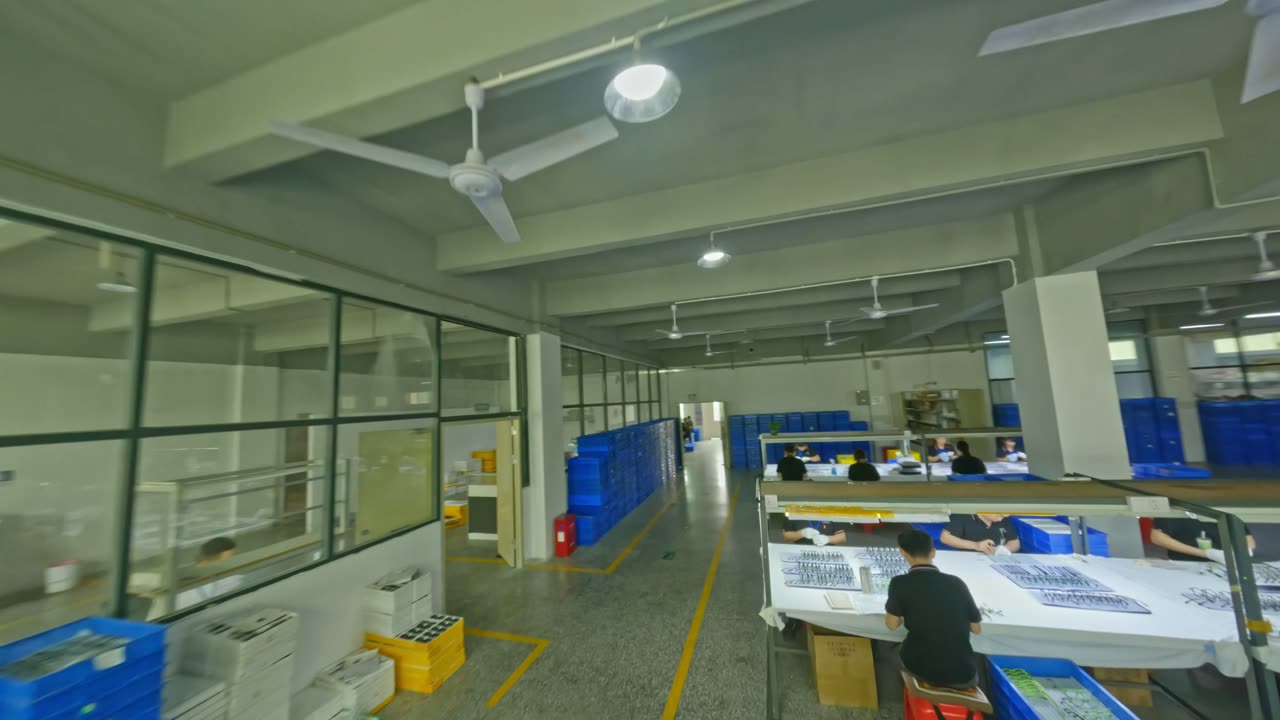
FPV flight across the assembly floor, LIBO
ICARE Group manufactures eyewear in China, Cambodia and France, with more than 1,000 staff across its sites. Presenting to buyers in Europe, they could describe the manufacturing behind a new collection and had no way to show it. We filmed the full production process on the factory floor: eighteen steps from acetate sheet to boxed frame, three FPV flythroughs of the facilities, and six vertical cuts for social.
The challenge
ICARE Group had produced a new collection and needed to take it to buyers in Europe.
The difficulty turned up in the meeting room. A manufacturer's real argument is its process: the tooling, the tolerances, the days a frame spends in a tumbling barrel, the number of hands it passes through before it is boxed. In a client presentation that argument could only be described, and a description of a factory floor asks the buyer to take it on trust.
The process was the strongest thing they had and the one thing they could not put in front of anyone.
How we approached it
Manufacturing photographs as machinery. Presses, jigs, CNC heads, barrels: shot that way it becomes a capability brochure, and it looks like every other capability brochure.
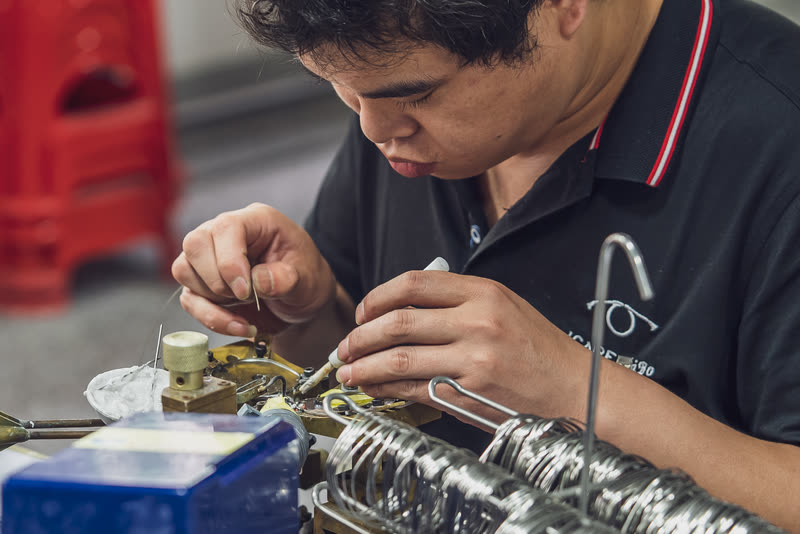
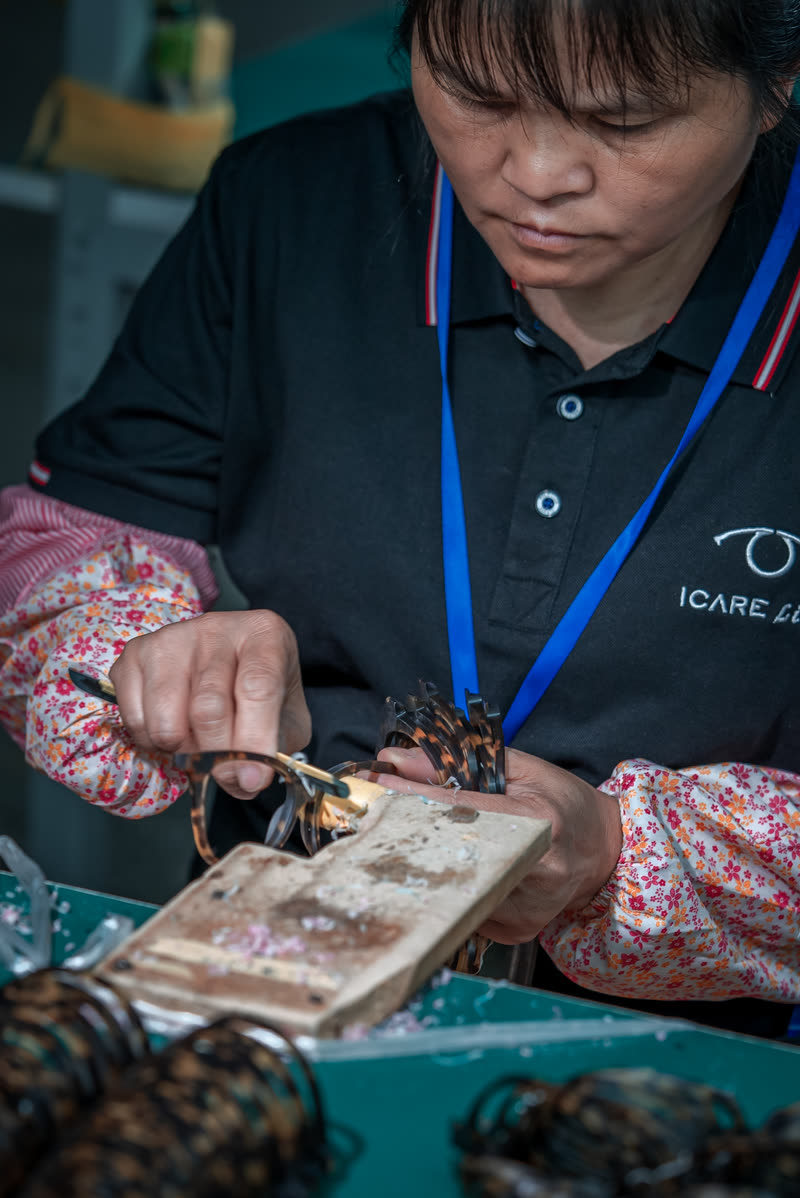
What is on that floor is people. More than a thousand across the sites, and a pair of hands in every one of the eighteen stages. So the film is cut around the hands, and the machines are the setting.
ICARE now open a meeting with it, and send it afterwards.
the processacetate sheet to boxed frame
Eighteen steps, in the order they happen.
Each one is filmed on the working line, at the speed it actually runs.
step 01
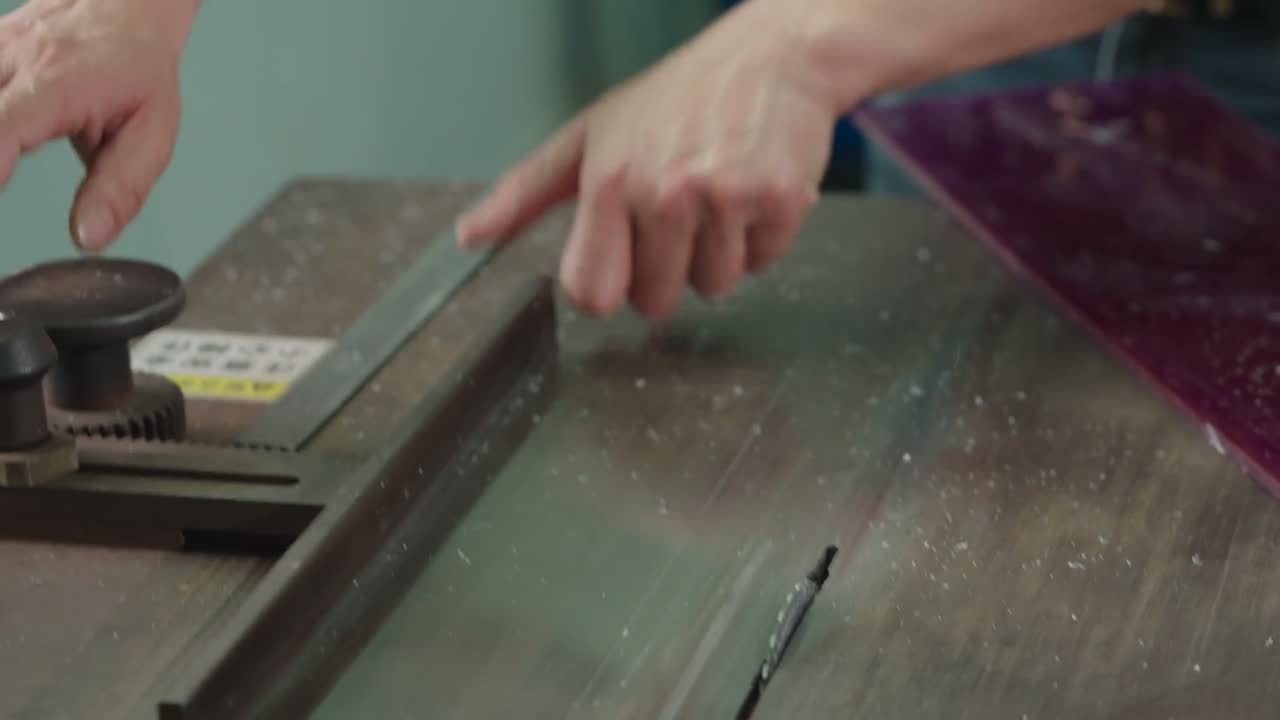
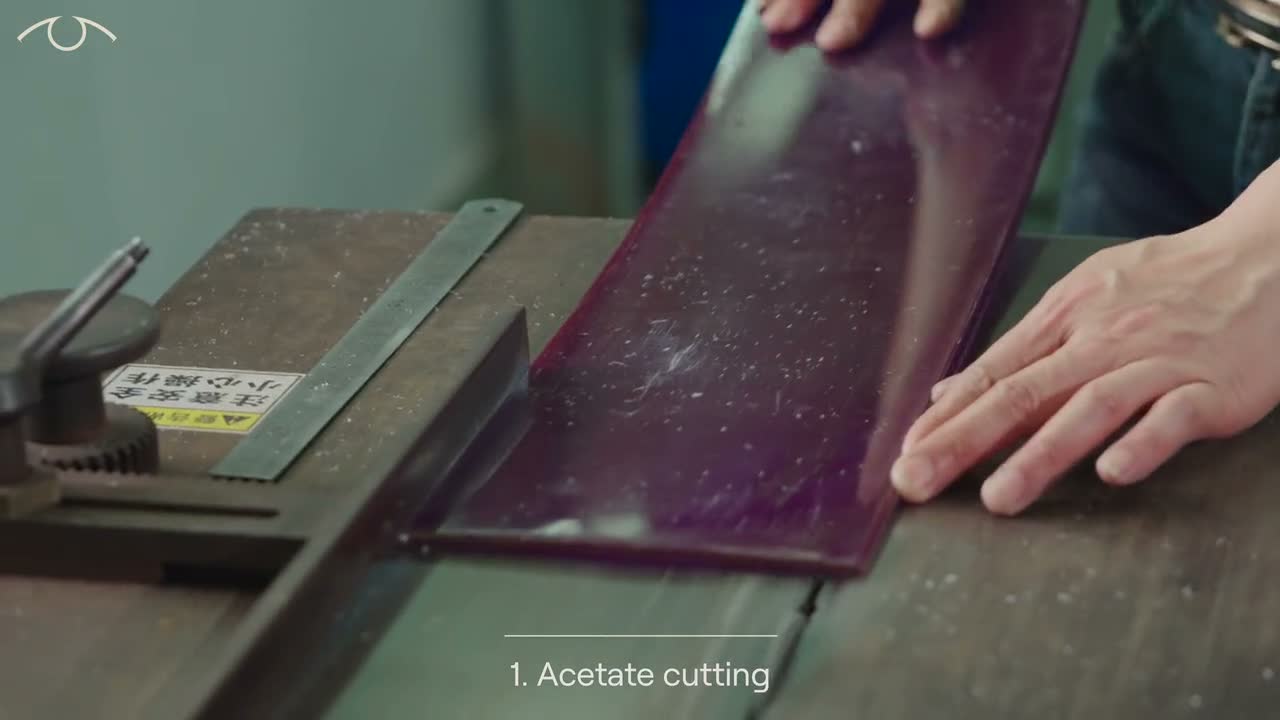
Acetate cutting
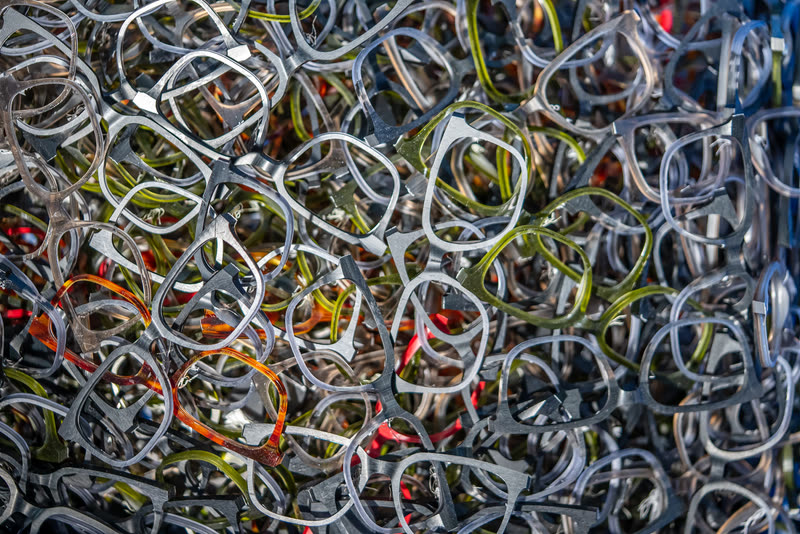
Sheet acetate is marked and cut down to the blanks each frame front is made from. The material arrives as a solid coloured sheet.
step 02
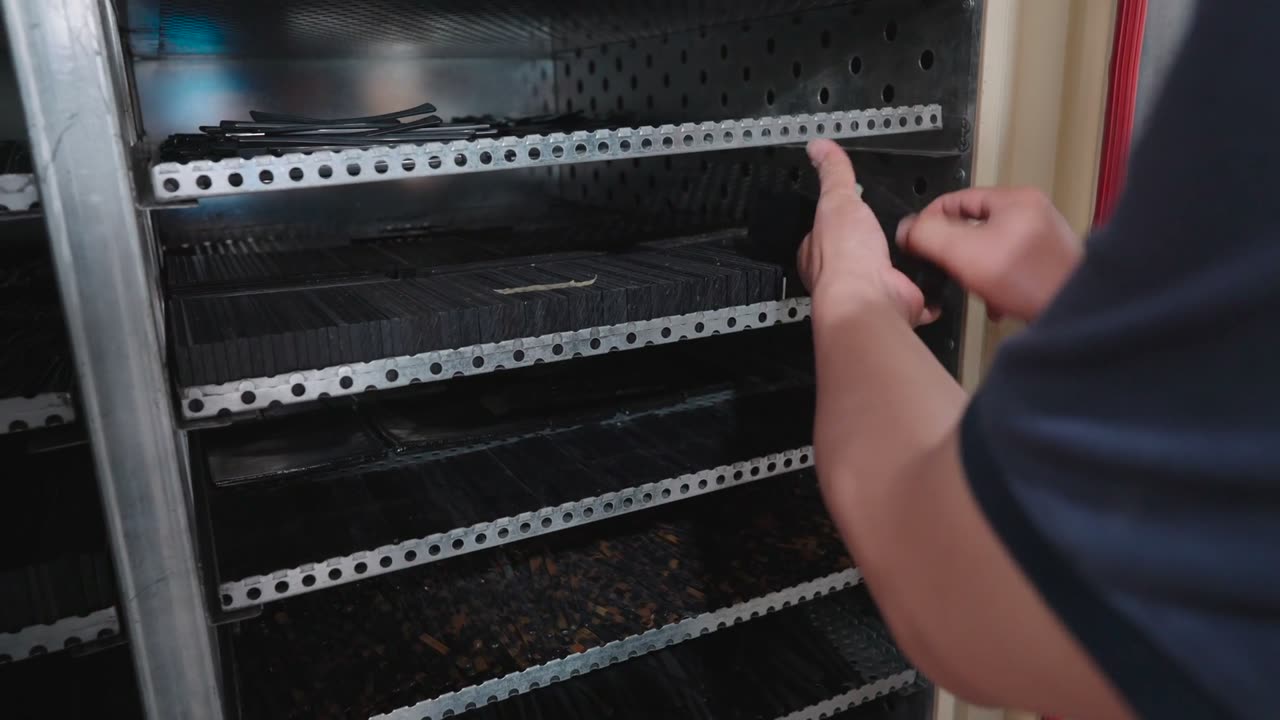
Stabilization
Cut blanks are loaded into slotted racks and held between operations before any machining begins.
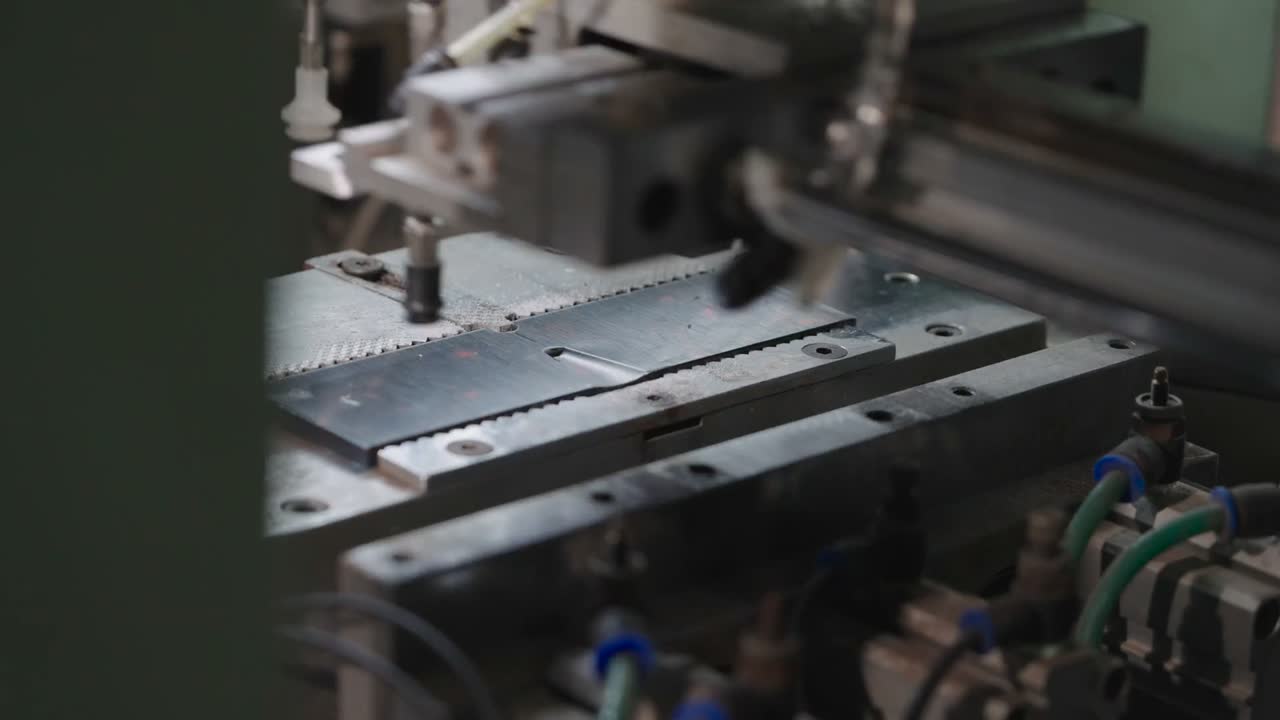
step 03
Pad lamination
Nose pads are bonded to the frame front under a press.
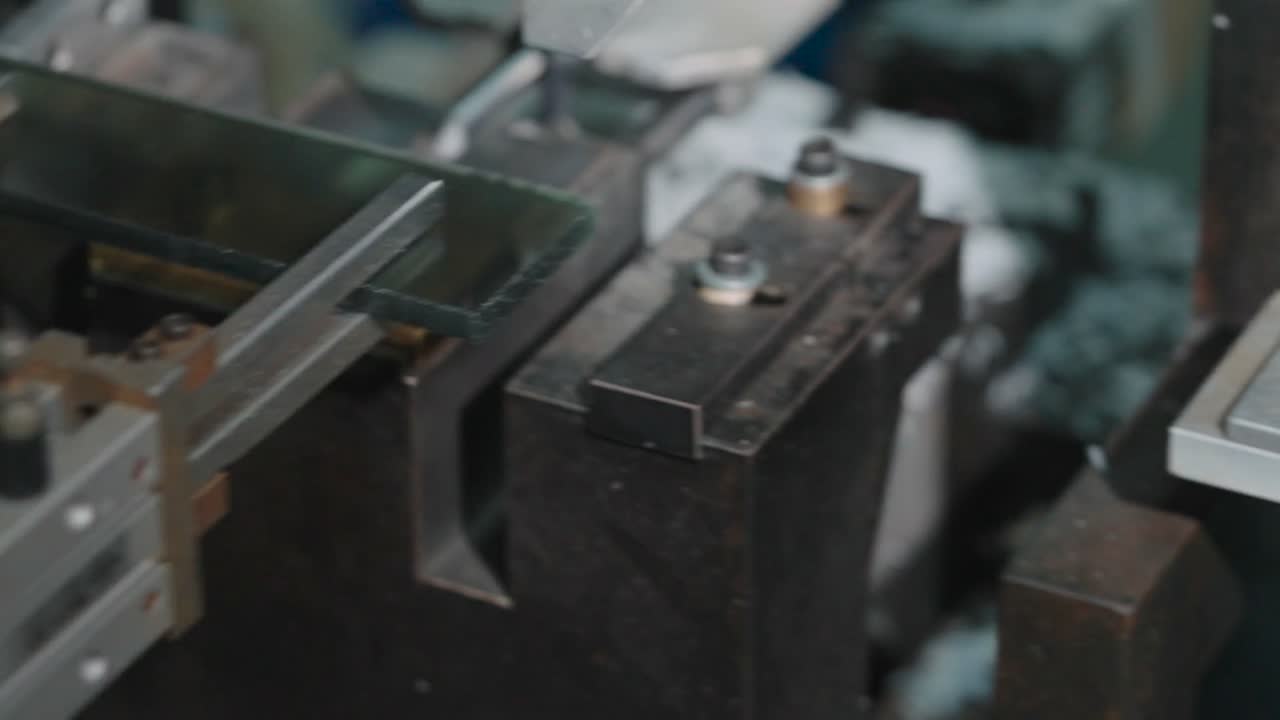
step 04
Bridge stamping
The bridge is formed under a press using brass tooling cut for that frame shape.
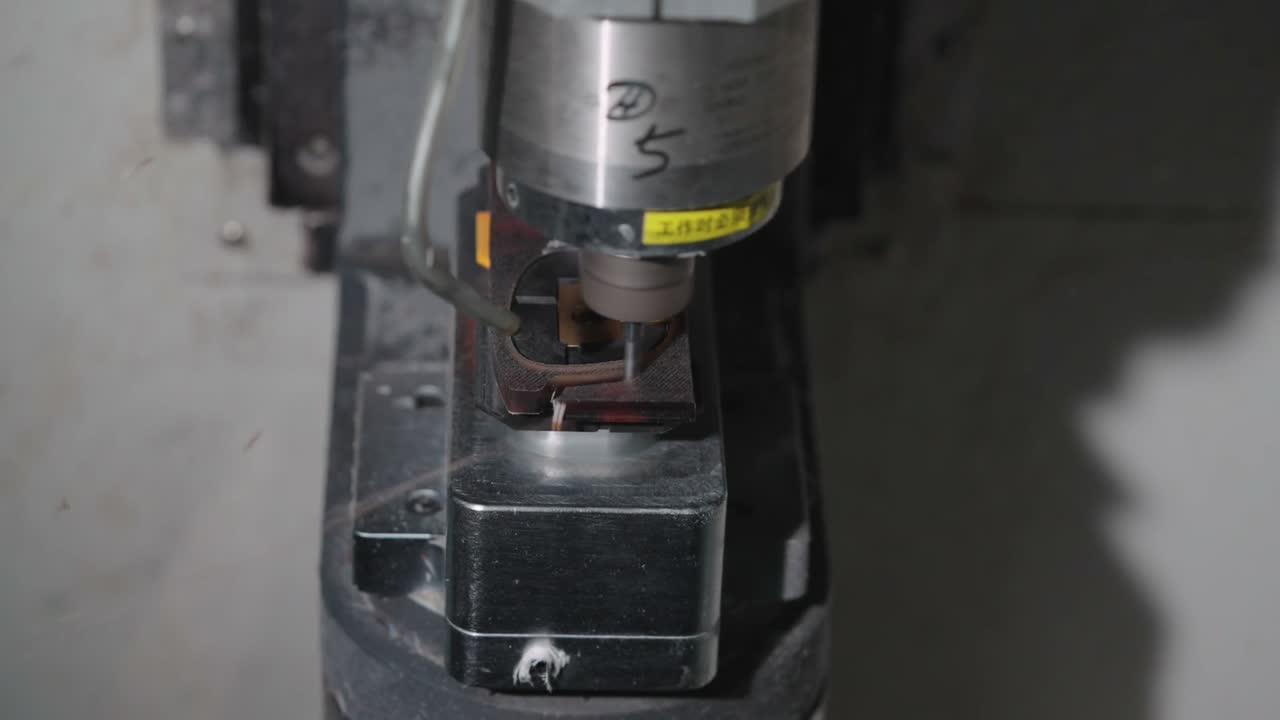
step 05
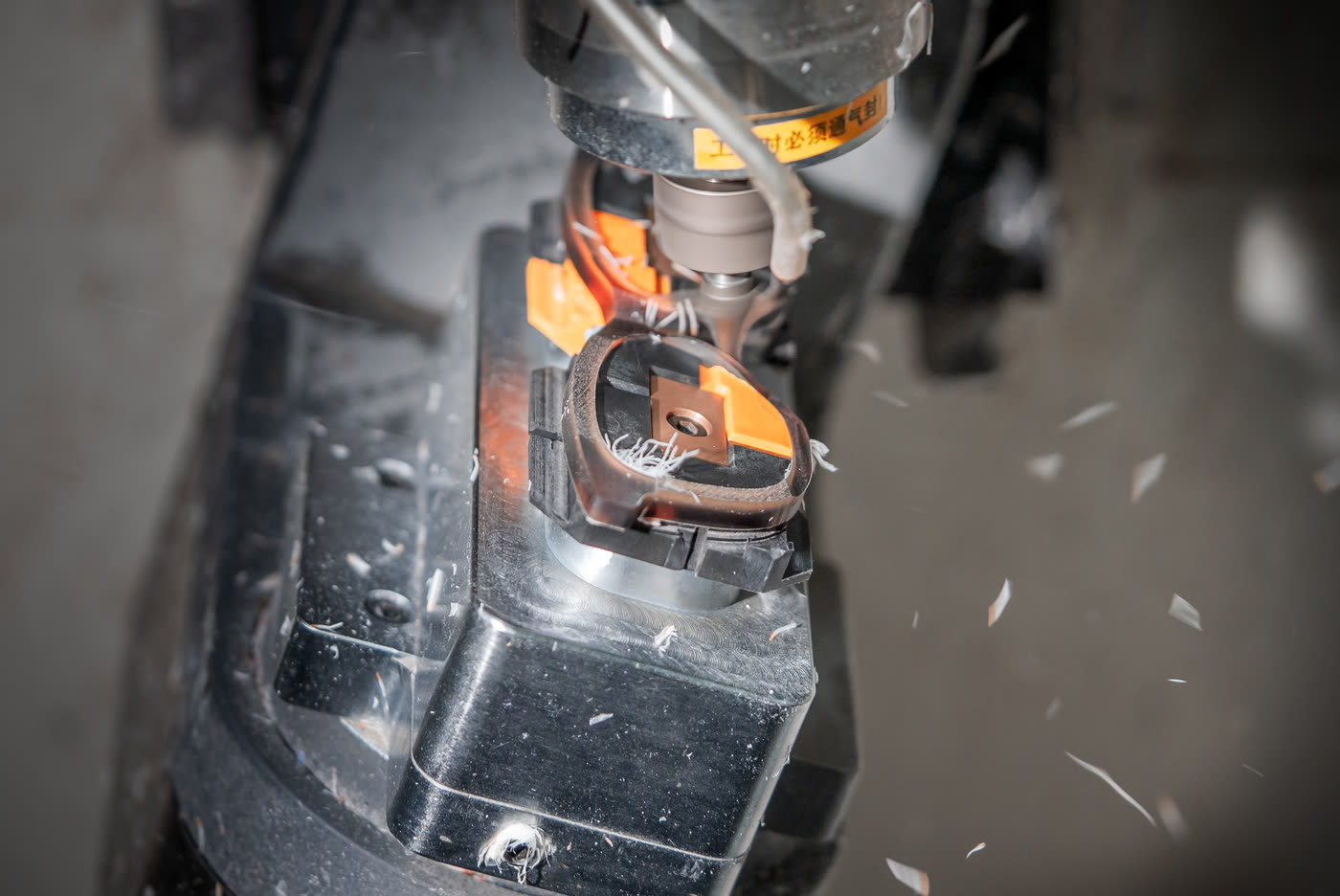
CNC process
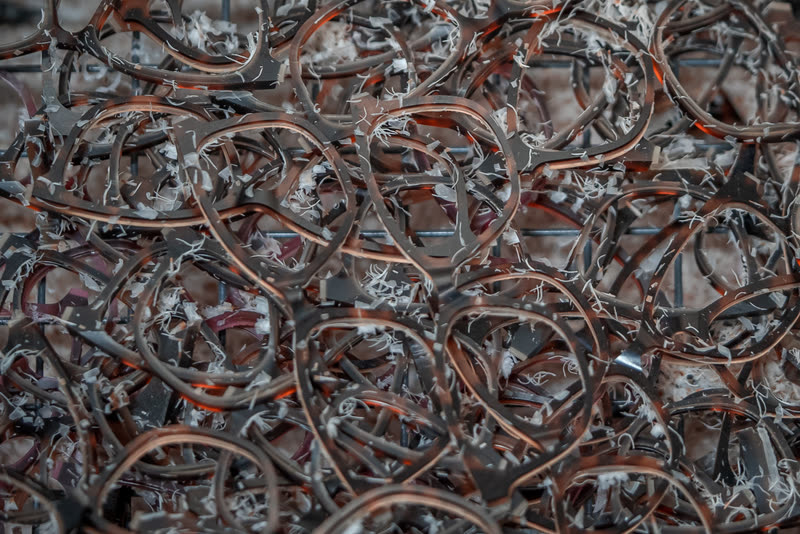
The frame profile is cut on a CNC machine, working from the stabilised blank.
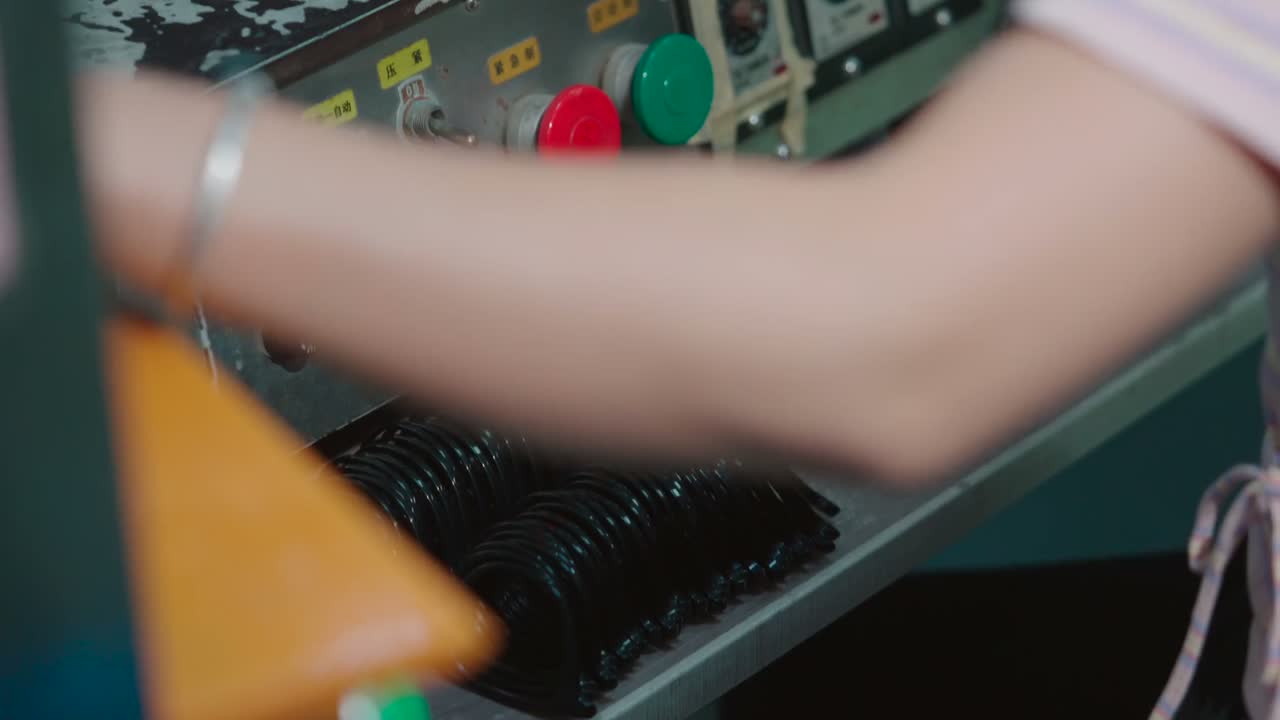
step 06
Front bending
The flat front is formed to its finished curve on a bending press.
step 07
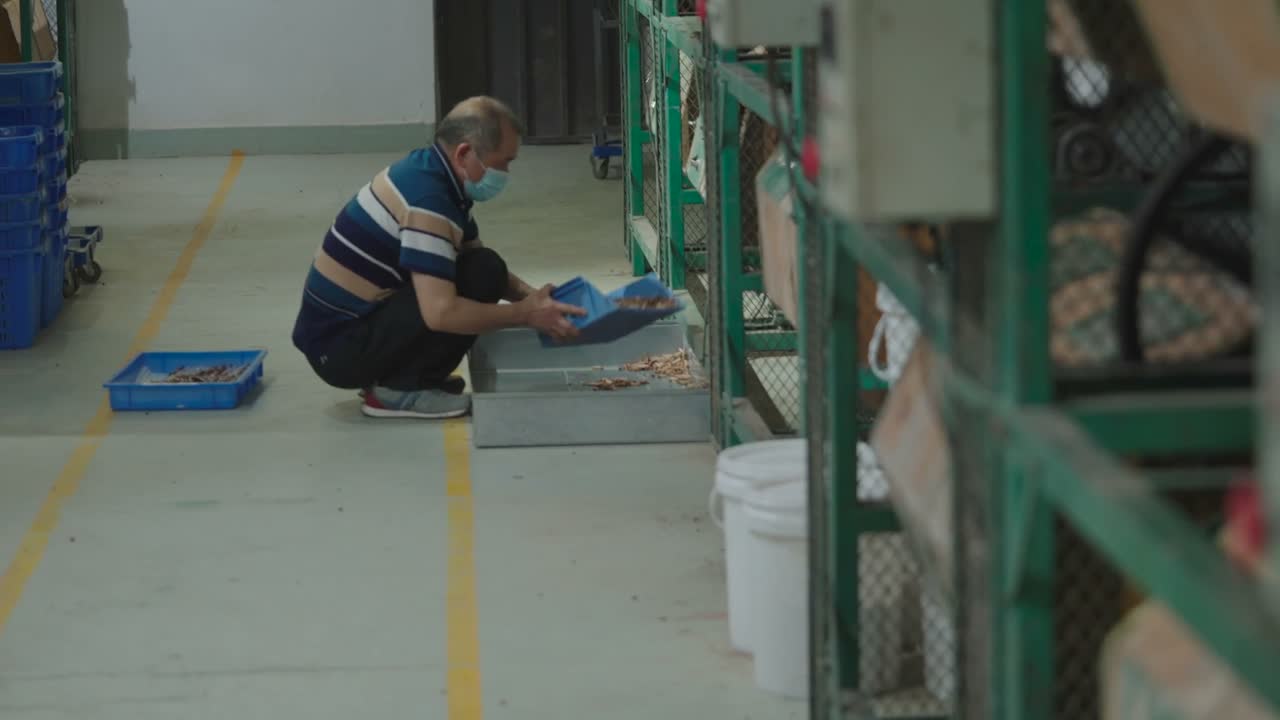
Tumbling
Frames run in barrels with wooden media to take the machining marks off the acetate. Rows of barrels run the full length of the hall, and the frames stay in them for days.
step 08
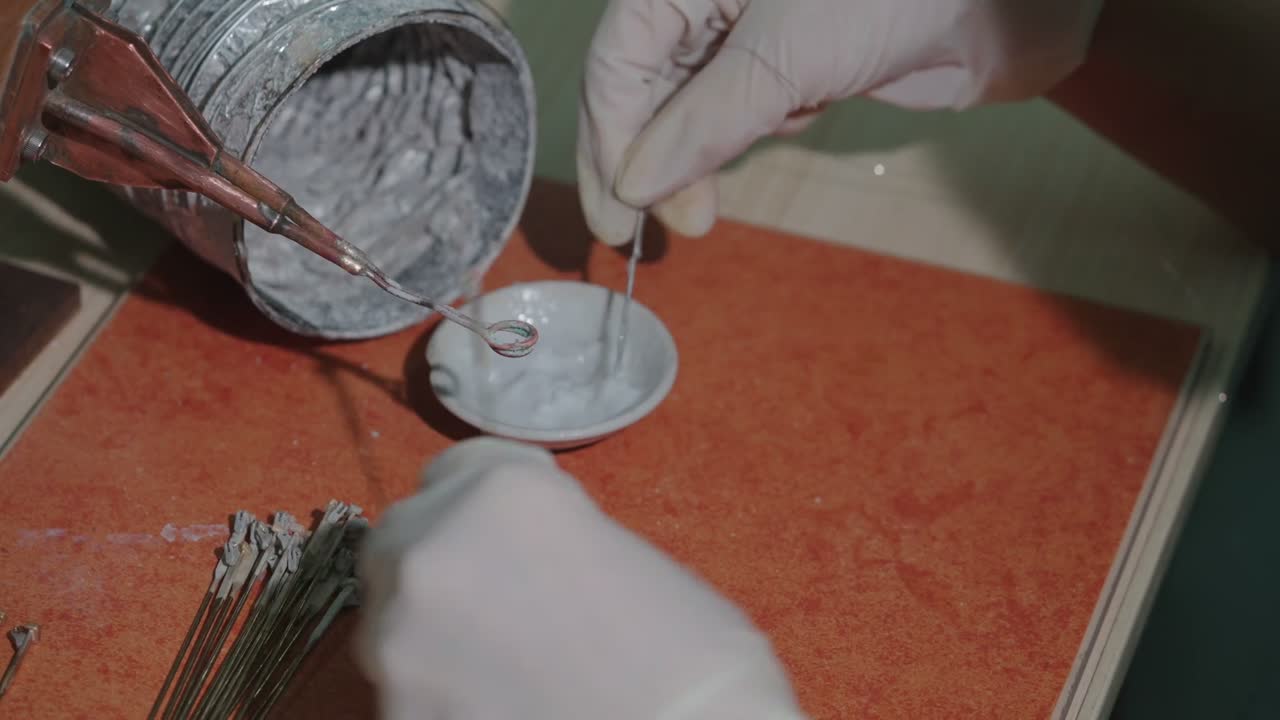
Hinge welding
Hinges are welded to the metal core that will sit inside the temple.
step 09
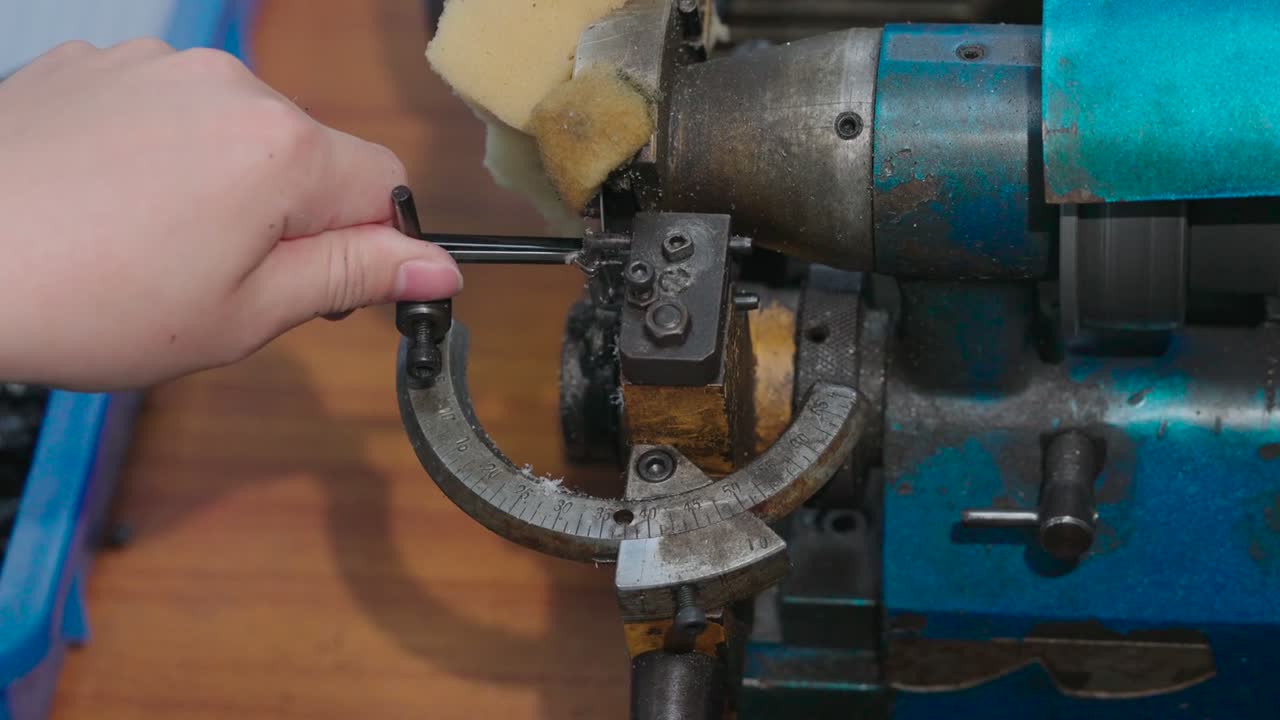
Frame match cutting
Left and right sides are cut to match one another on an angle jig.
step 10
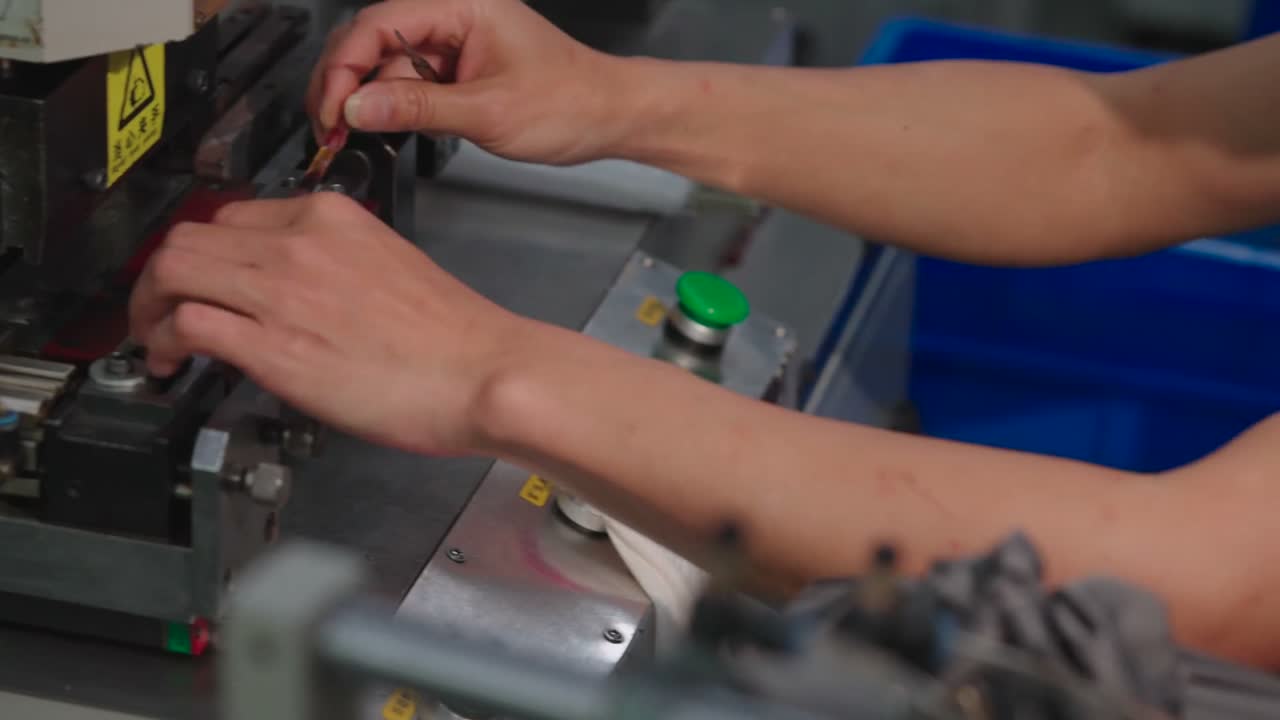
Wire core shooting
The metal core is driven into the acetate temple. It is what lets a temple be adjusted to a face without snapping.
step 11
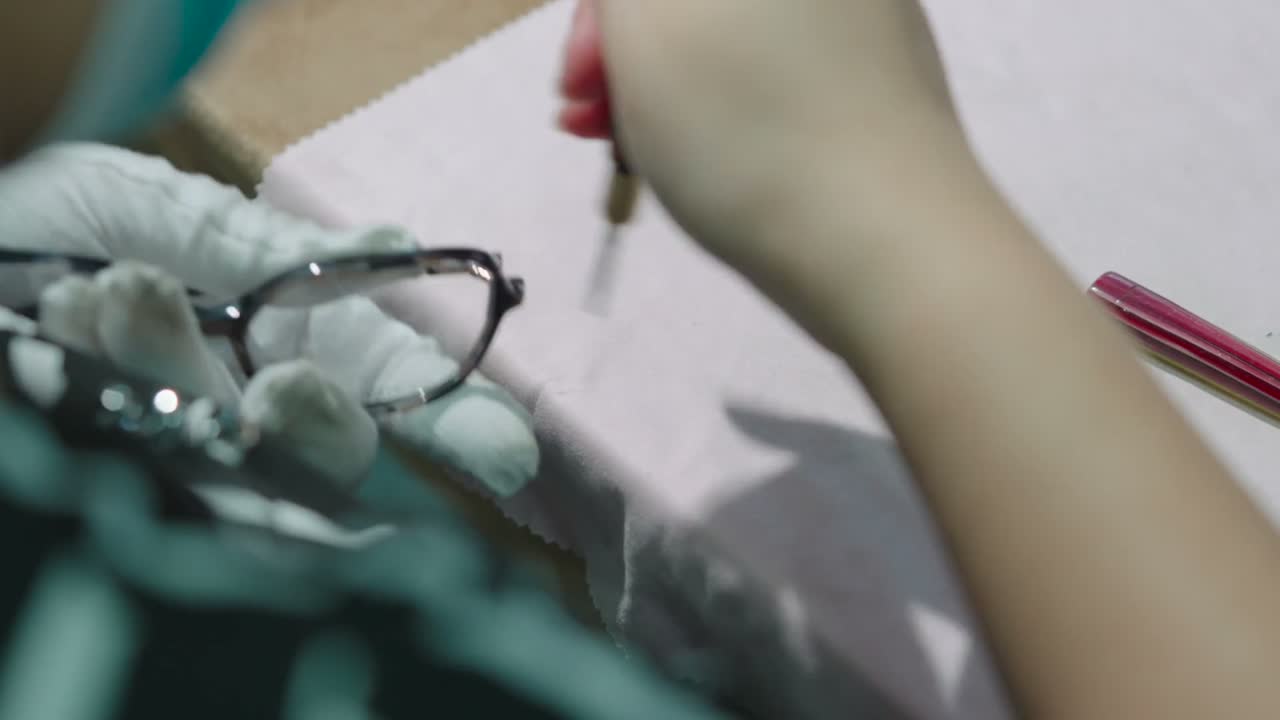
Riveting
Hinges are riveted into the front and into the temples.
step 12
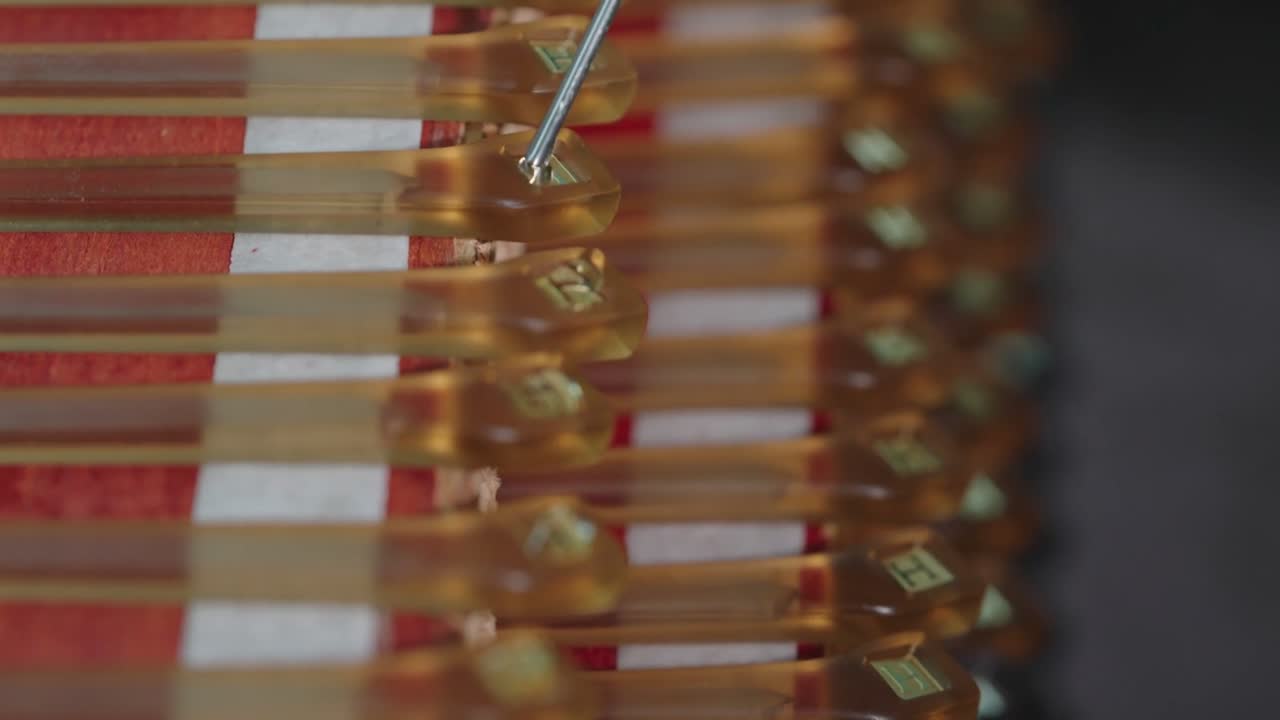
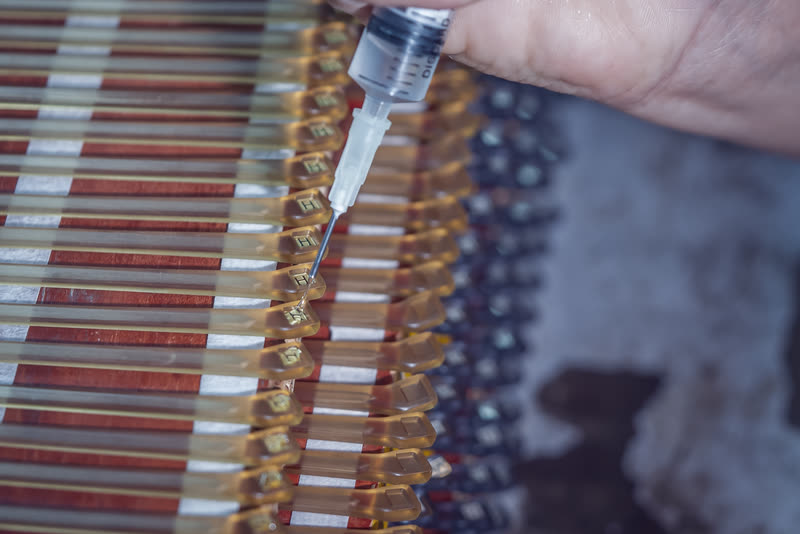
Logo epoxy
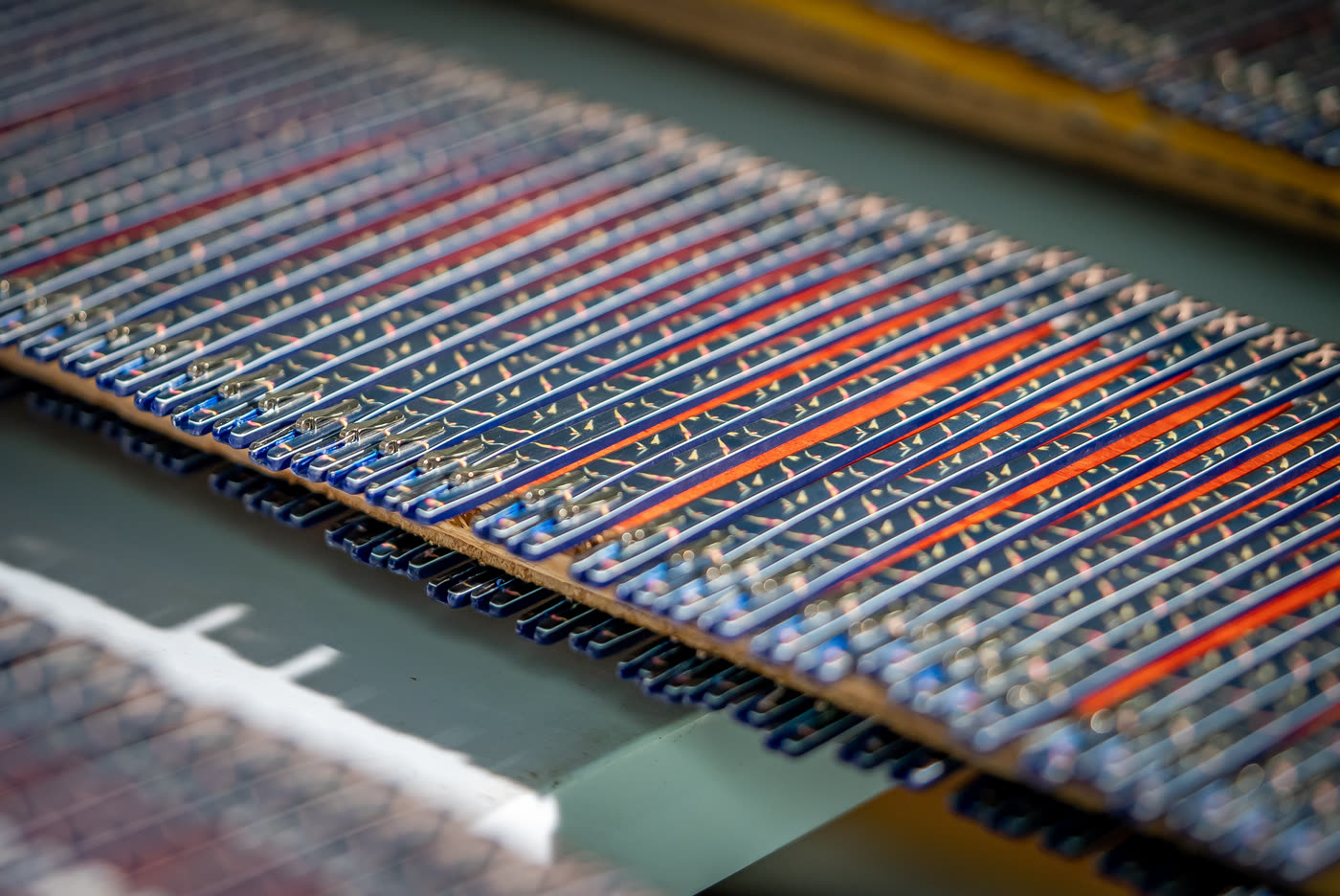
The logo is filled with epoxy on the temple, one at a time, along a rack.
step 13
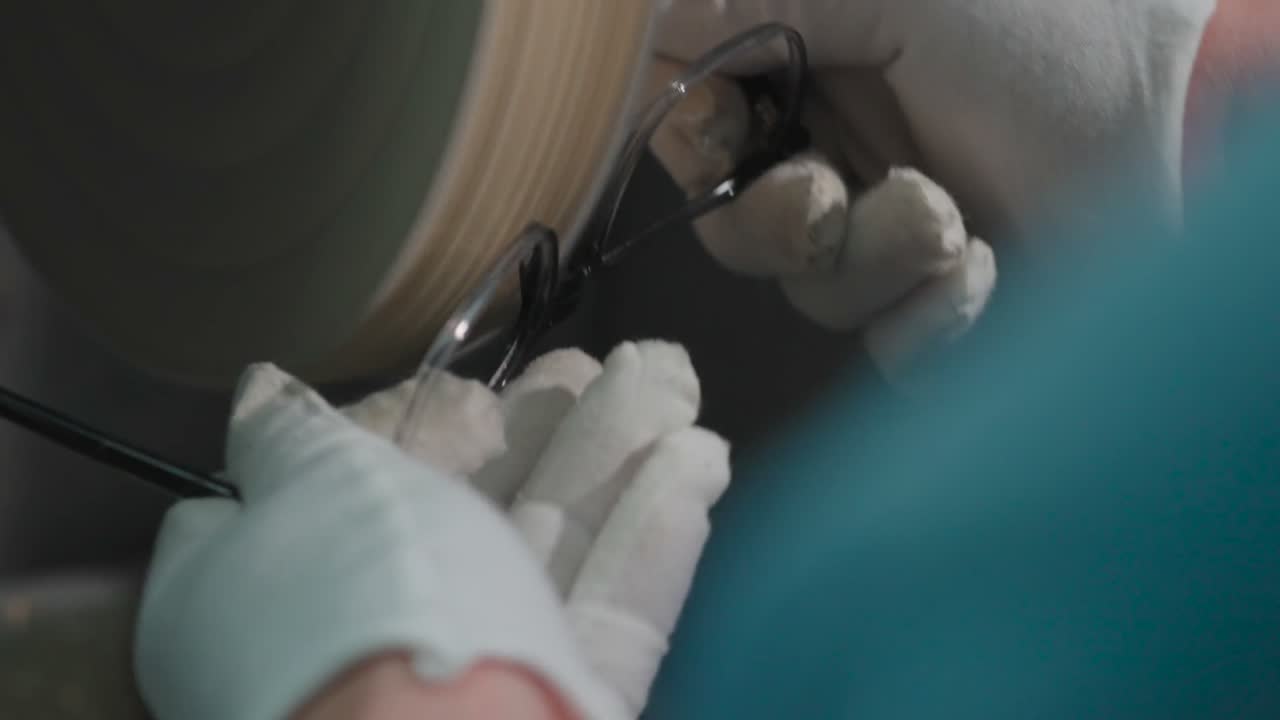
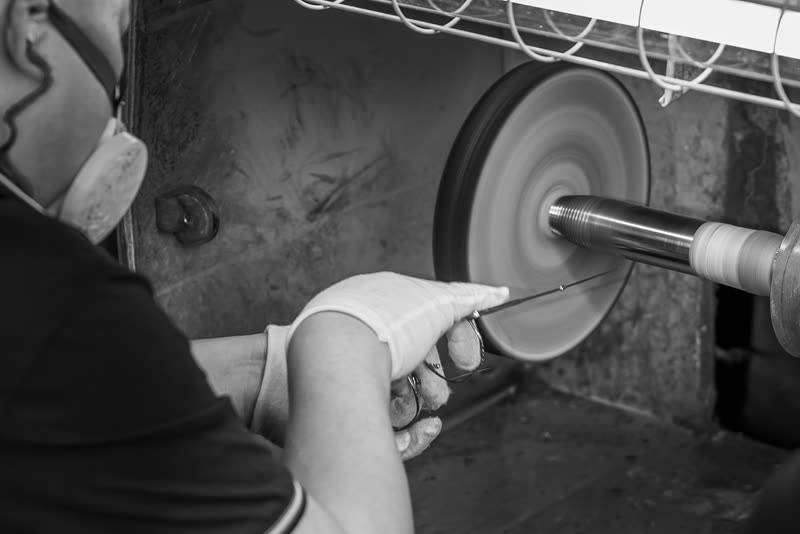
Polishing
Frames are polished on buffing wheels. This is the stage that produces the finish people associate with acetate.

step 14
Lens cutting
Lenses are cut to the shape of the finished frame.
step 15
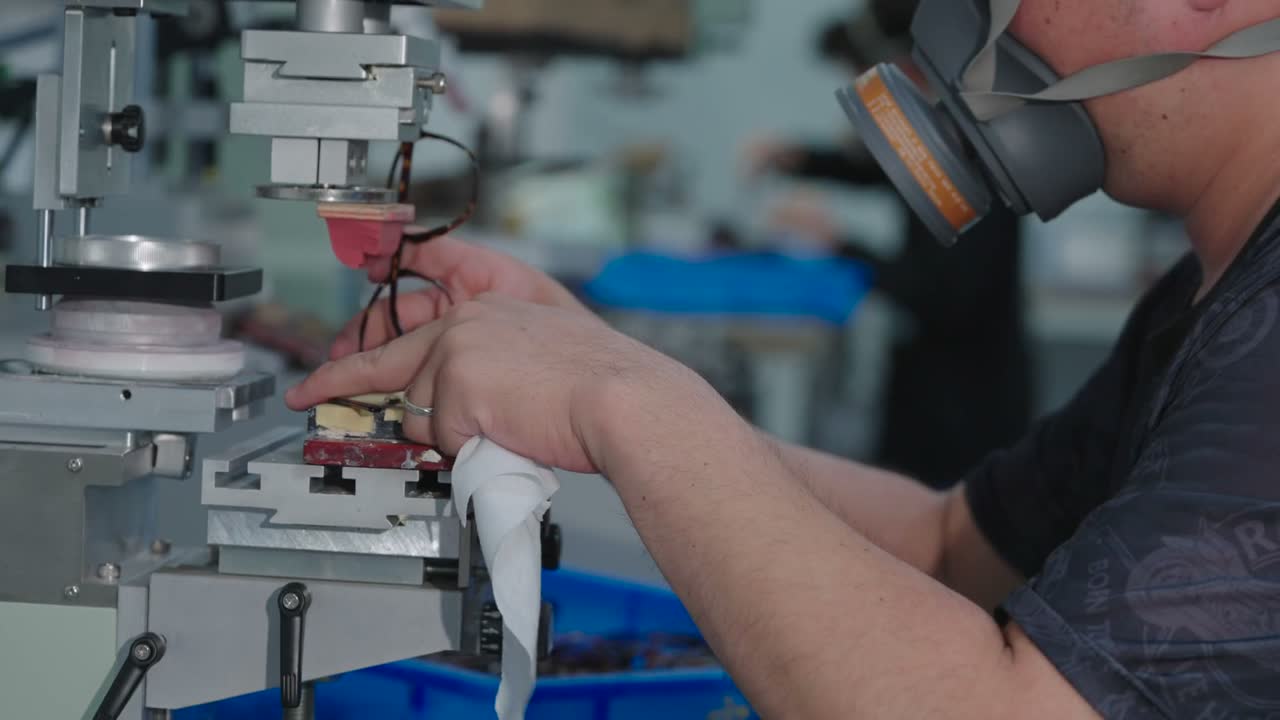
Printing
Size and brand markings are pad printed onto the temple.
step 16
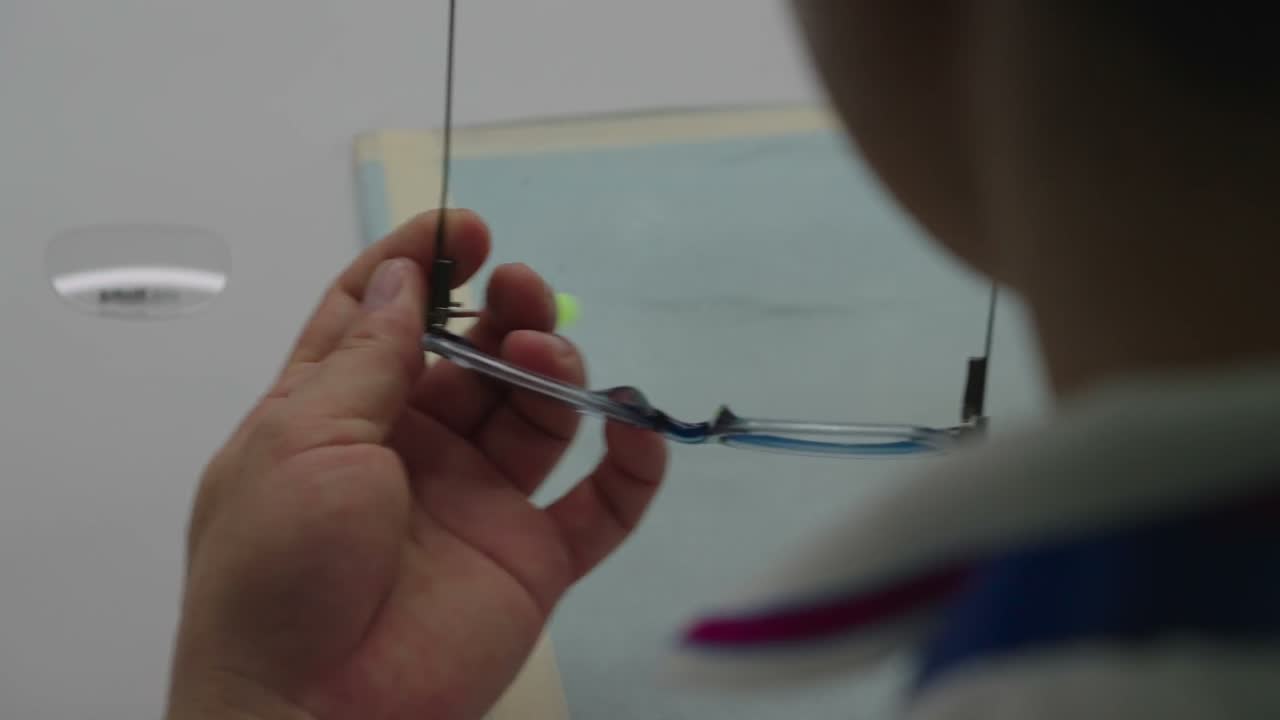
Final assembling
Lenses, screws and temples are brought together into the finished frame.

step 17
Quality check
Each frame is checked against the drawing it was made from before it is allowed to be packed.
step 18
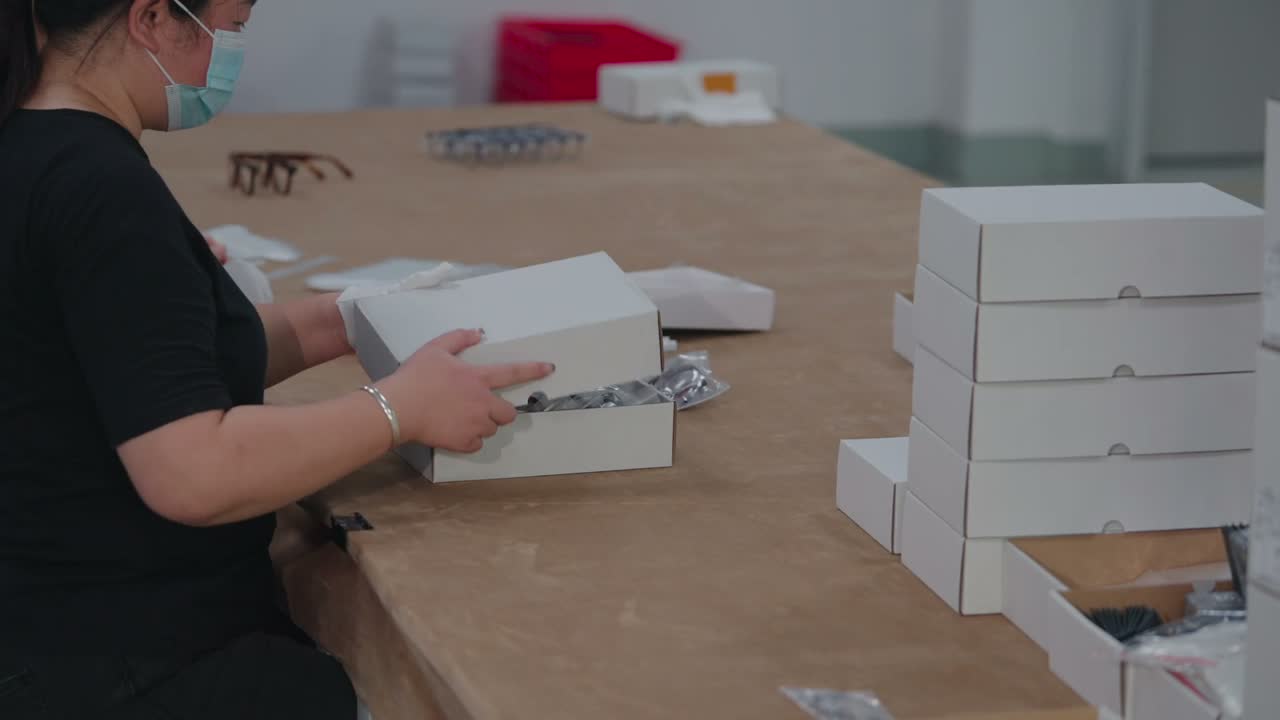
Packaging
Frames are bagged and boxed for the buyers who started this page.
the filmall eighteen steps, in sequence
The whole process, three minutes forty-eight.
The delivered film, with the step titles as they appear on screen.
Production process · 3:48 · sound on
the sitesfpv, single continuous takes
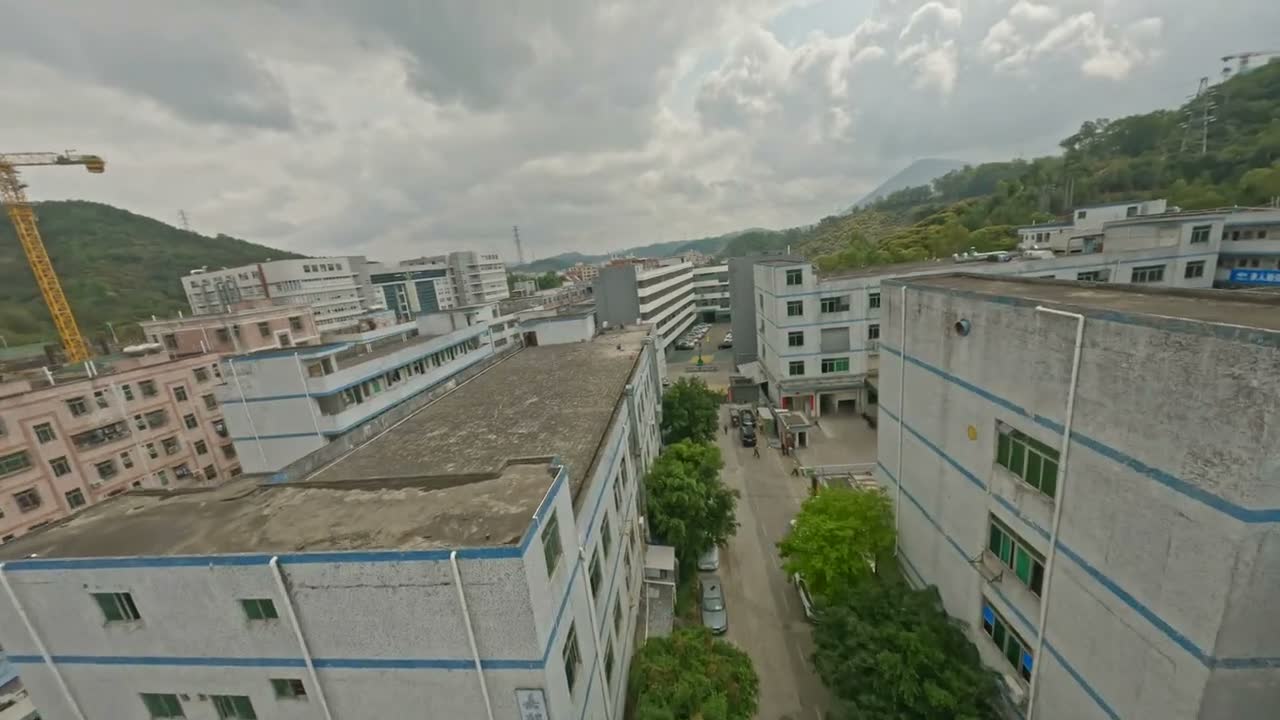
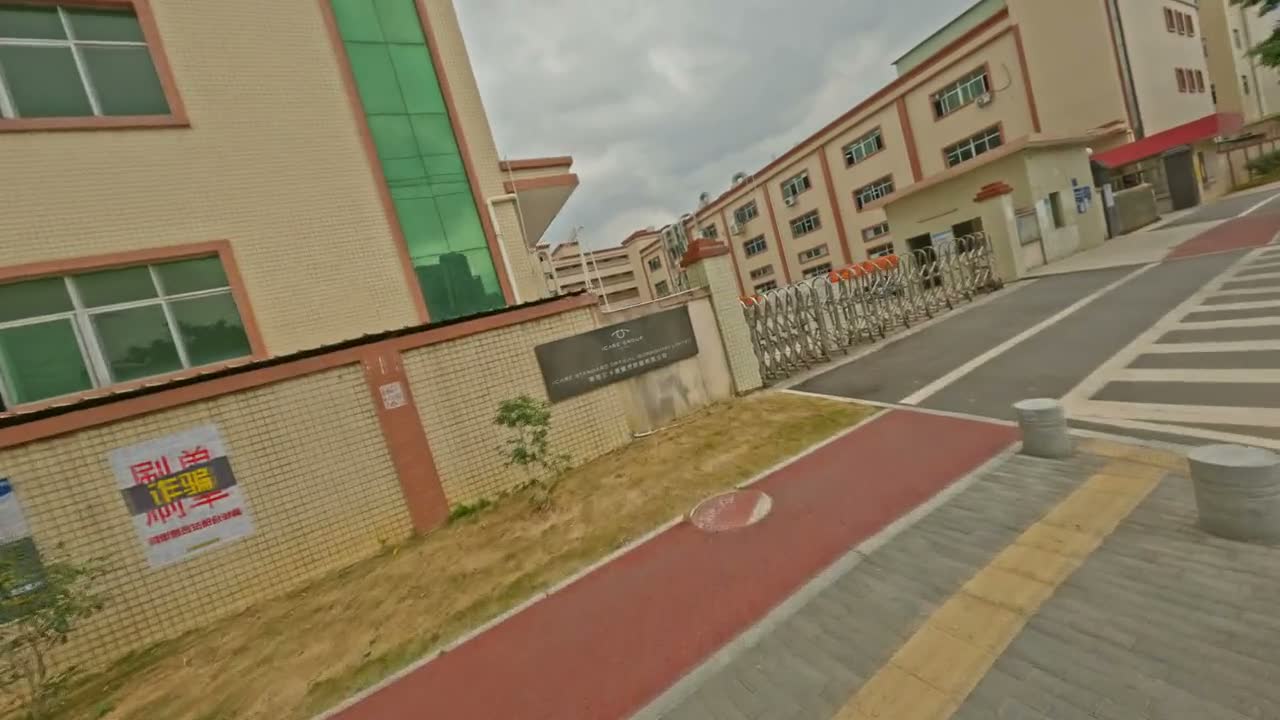
Three facilities, flown in one shot each.
A cut between two rooms lets a viewer wonder what was skipped. An unbroken flight from the roof to the far end of the line does not. That is the argument for shooting a factory this way, and it is the reason these are one take.
LIBO · 3:33
Dongguan · 3:14
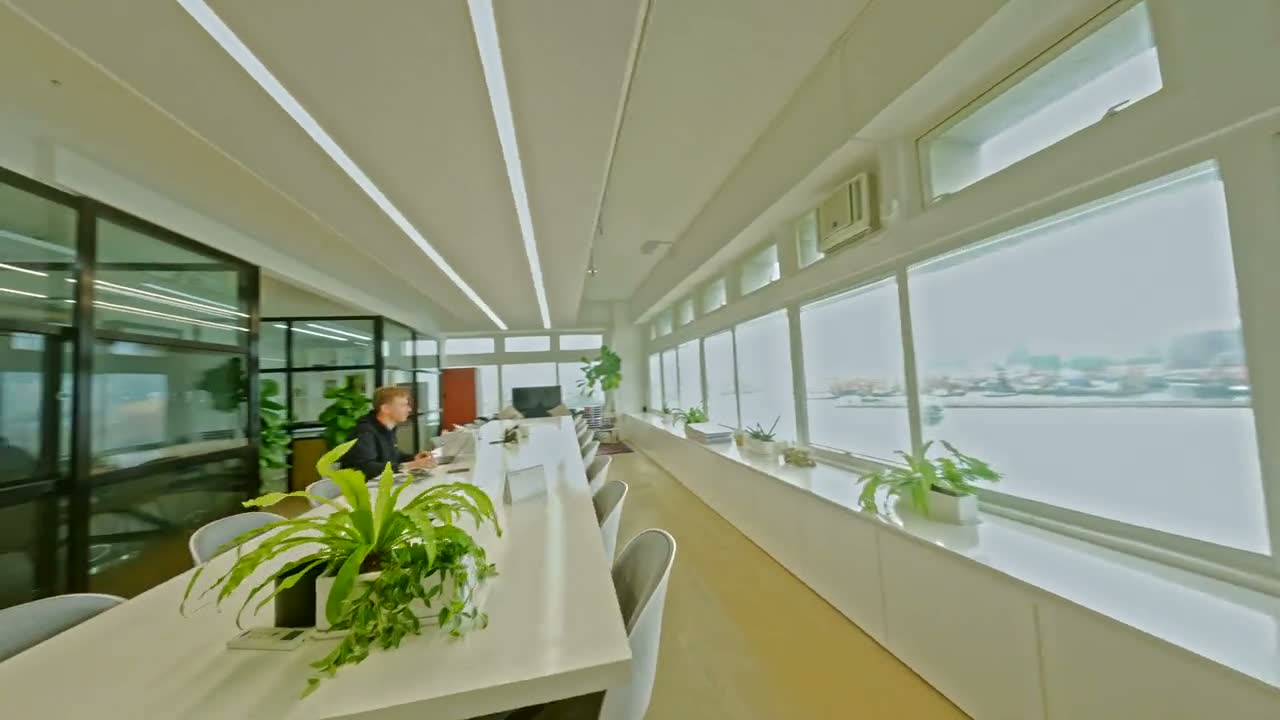
Hong Kong · 1:11
stillssame shoot, same floor
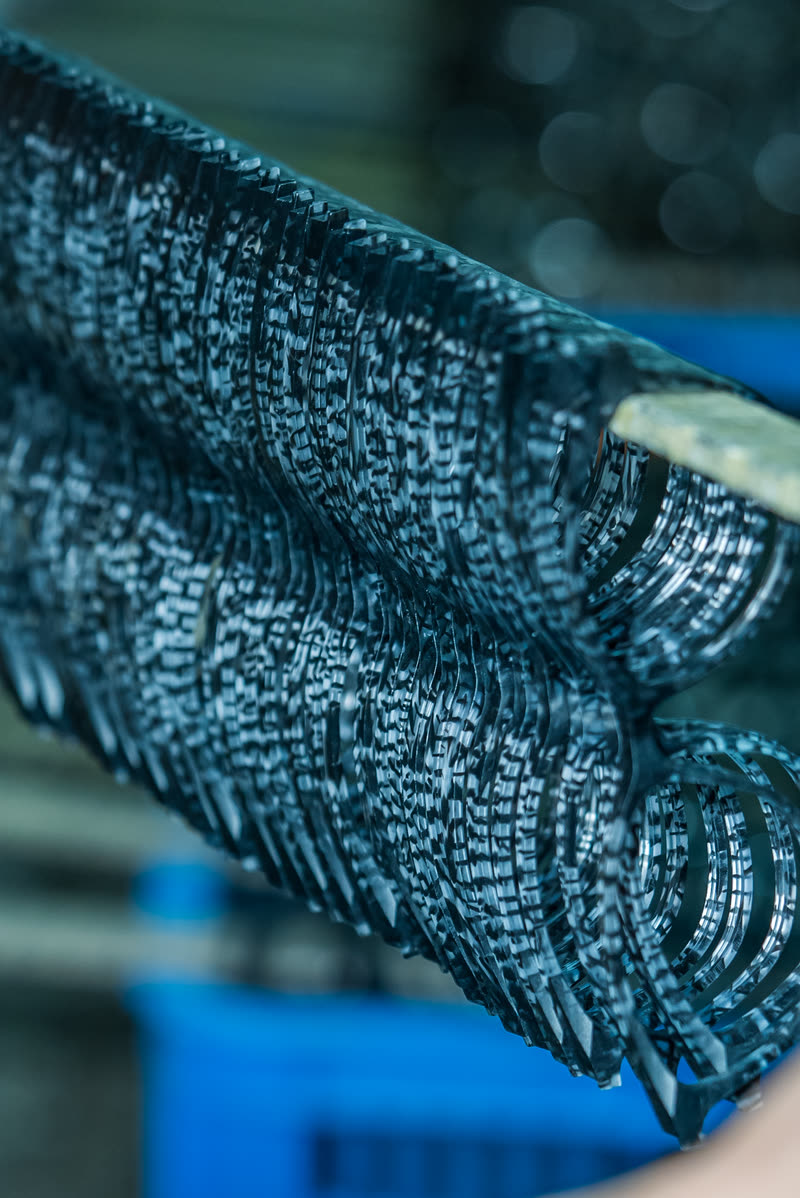
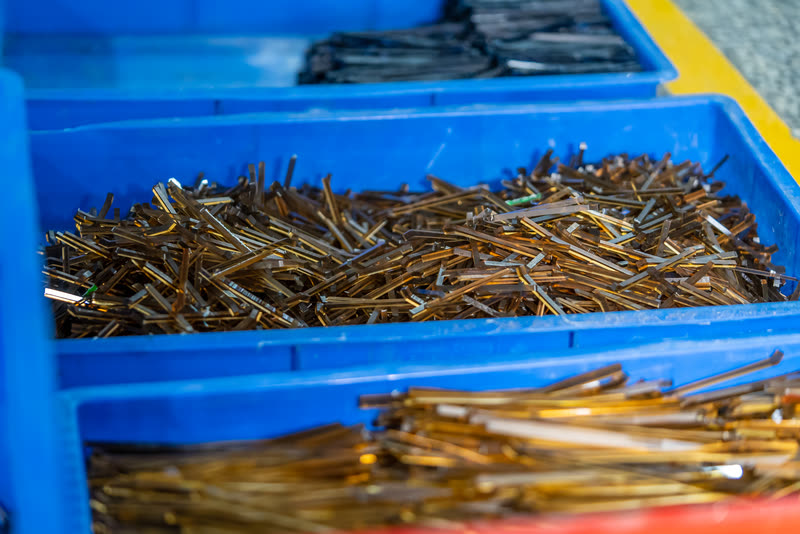
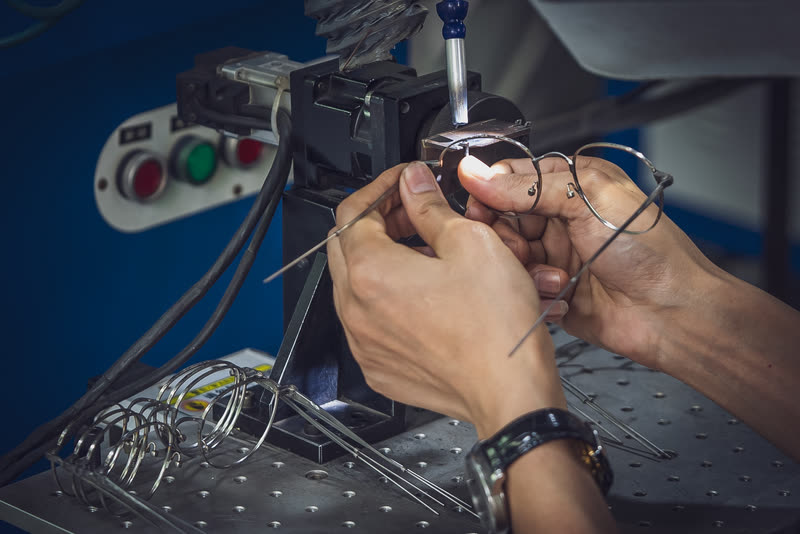
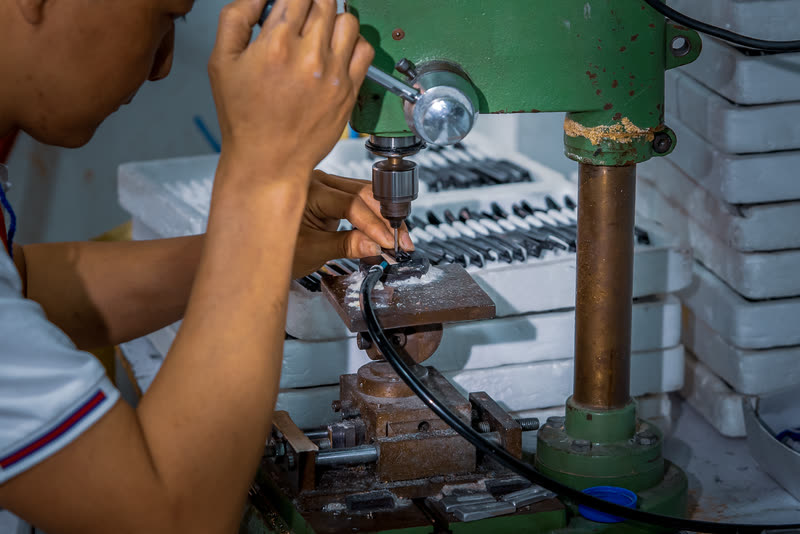
The same shoot, on stills.
A crew on a factory floor is a stills crew too. These came off the same days as the film, and they keep working after it: in a deck, on a line sheet, on a trade stand.
the lawwhat this one proves
A process film is an argument about competence.
A buyer who watches acetate go from sheet to boxed frame has verified something a capability deck can only assert. Eighteen labelled steps is a claim anyone can check against what they see on screen, which is why the labels are on the film rather than in the caption.
Converted from Hong Kong dollars at indicative rates. Work is quoted and billed in HKD.
Something worth showing, filmed the way it actually runs.
Turnaround is agreed with you before work starts.
Or write to hello@enzwa.com
spin-offssix vertical cuts, from the same shoot
One shoot, cut six more ways.
Vertical cuts with music, made from the same footage so the client had a year of social from a single day on the floor.
Design process · 0:31 · the work that happens before the floor