case studyfilm · the porter
The cafe in the lobby, and the tone it sets for the day.
A cafe's interiors photograph well and say nothing, because the cafe down the road has interiors too. What separates one from the next happens at the machine, so the film was cut around the making of the coffee and the room was left in the background.
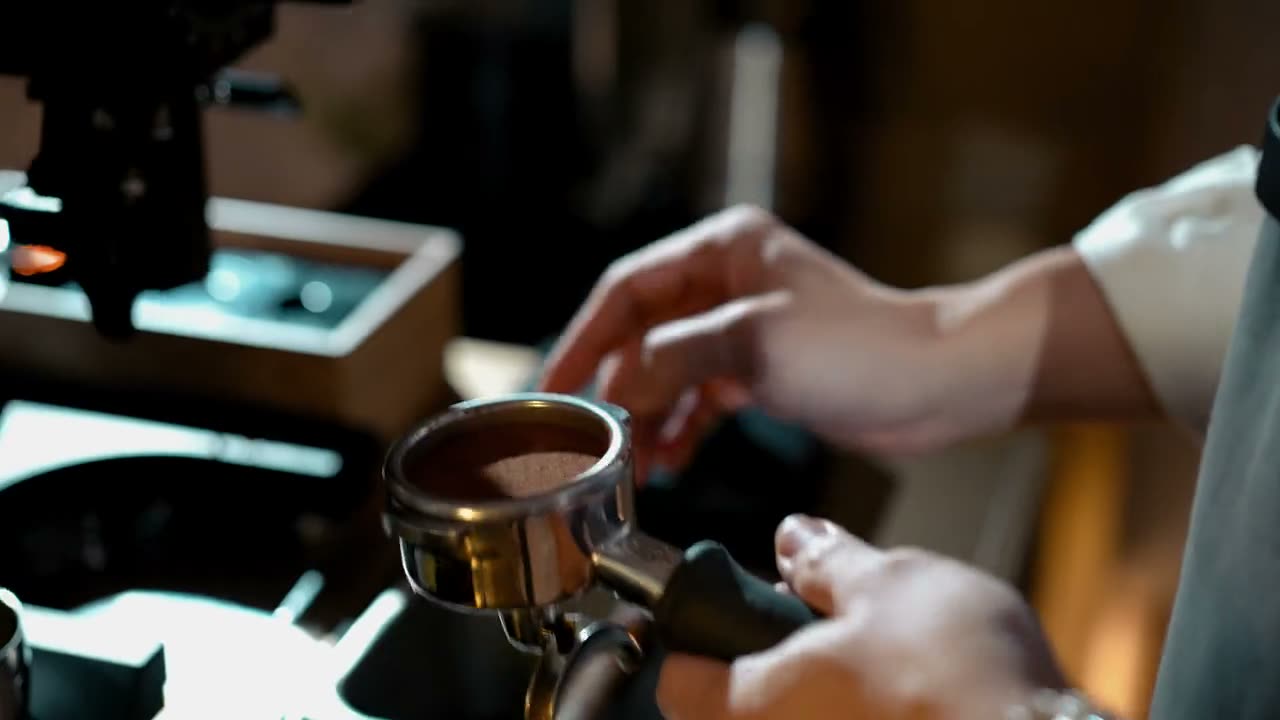
The middle of the film: dose, tamp, extraction
A cafe is chosen on its coffee and photographed on its furniture. The category's own imagery is a slow pan across empty seats at seven in the morning: easy to shoot, impossible to tell apart, and silent on the only question a customer is actually asking. So the spine of this film is the making, held at working distance and cut to the rhythm of the process, with the room appearing where it belongs.
The challenge
The Porter sits in the lobby of Harbourside HQ. The building works on the idea that its amenity spaces set the tone for the day and give people somewhere to connect, and the cafe is where that lands first.
None of that photographs. A cafe brand film almost always becomes an interiors reel: timber, filament bulbs, a shaft of morning light across an empty banquette. Every competitor has the same footage, because every competitor has the same room, and none of it answers why this coffee rather than the one two doors down.
The thing worth filming was the part customers never get a clear look at.
How we approached it
The film is built on the sequence at the machine: the dose, the tamp, the group head, the extraction, the pour. Shot close, cut to the process rather than to the room.
The interview runs underneath it, so the claim and the craft arrive at the same time instead of the claim arriving alone.
The room is still in the film. It is the setting, not the subject, which is the correct order.
the filmthe delivered cut
Two minutes twenty-six.
The interview, the machine, and the room in that order of importance.
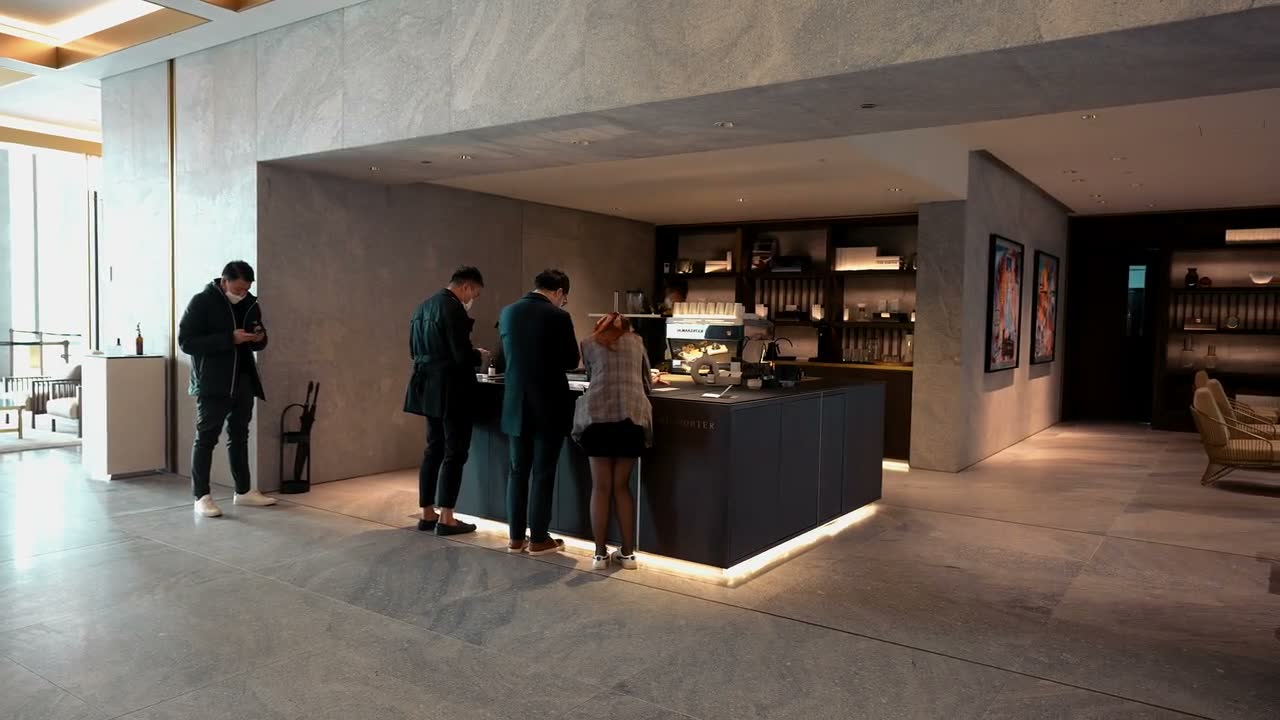
The Porter · 2:26 · sound on
the cutthe room, the craft, the owner
Start with the making.
Interview films open on the person. This one opens on the coffee and lets him arrive once the viewer is already interested.
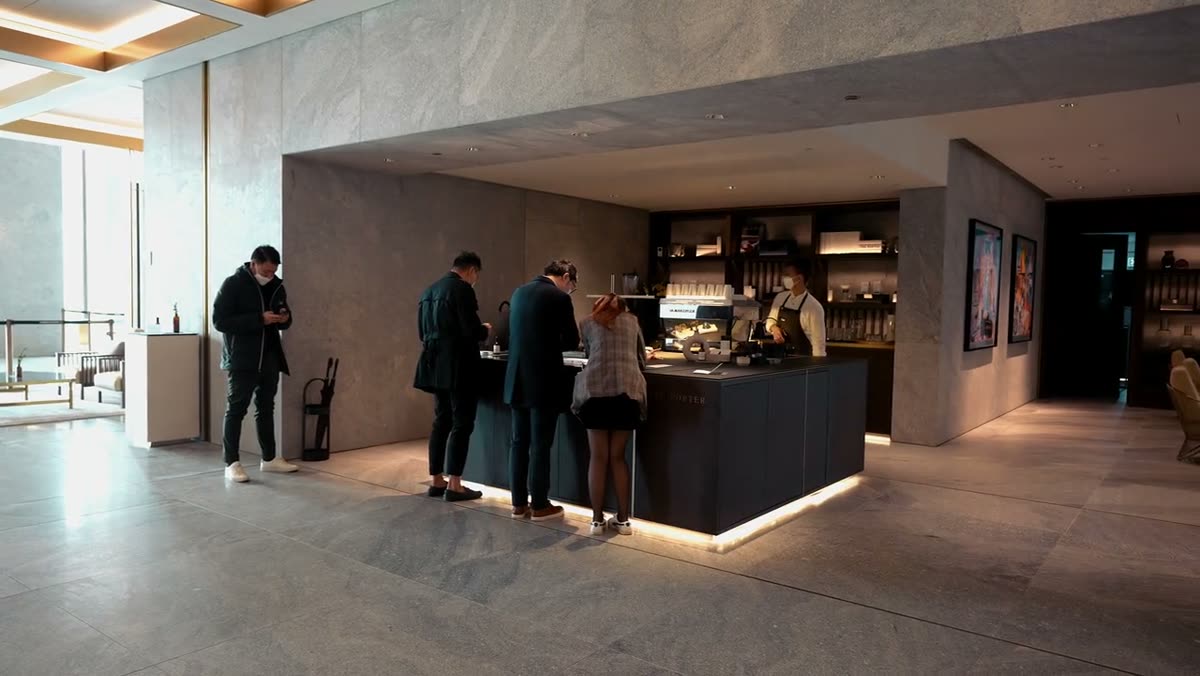
beat 01
The room, with people in it
A wide of the counter mid-service. Hospitality shot empty reads as a press release.
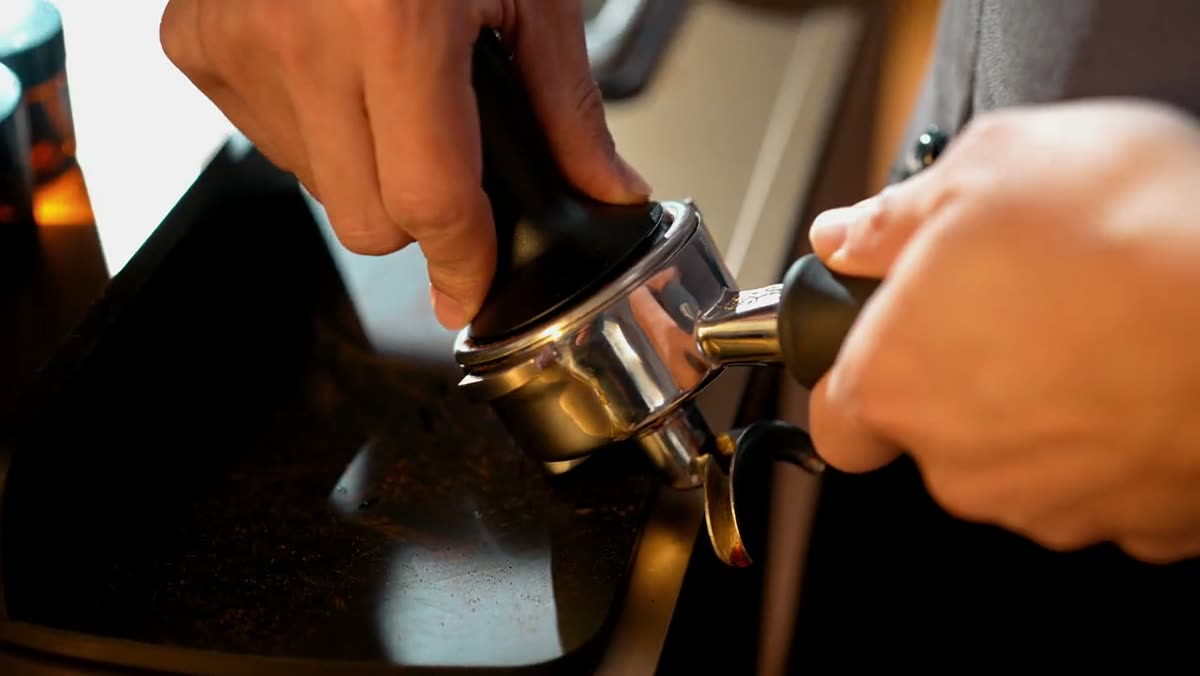
beat 02
Straight to the hands
Tamping, in close. The film is about how the coffee is made, so it starts by making some.
beat 03
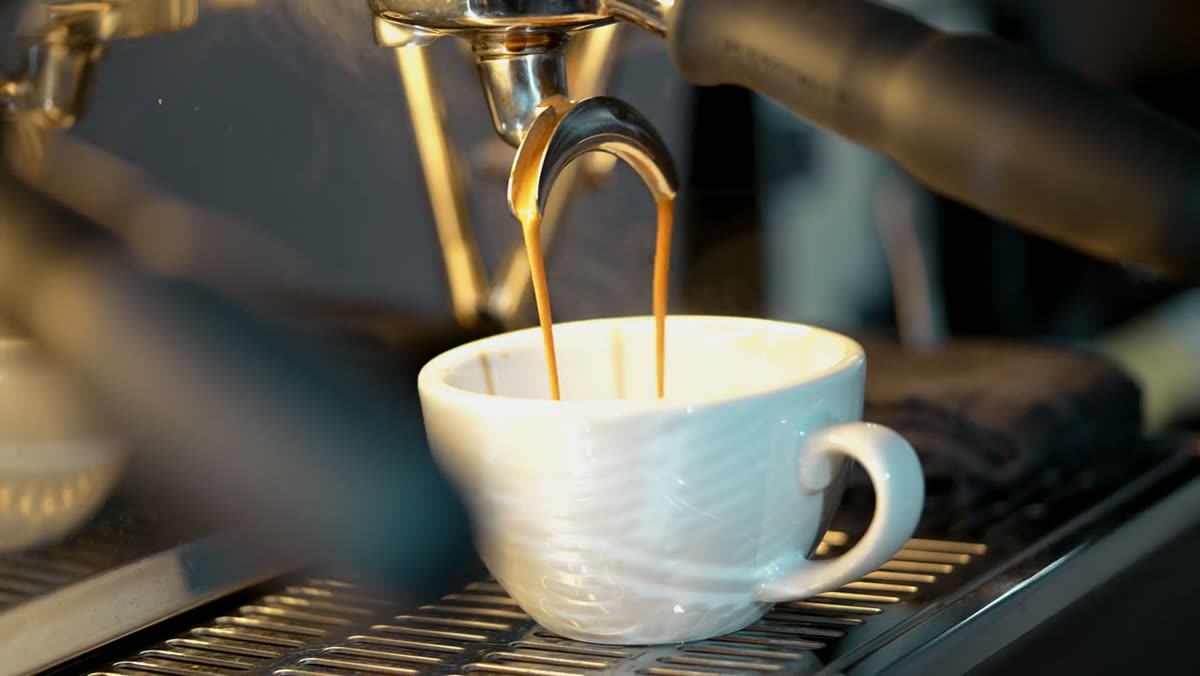
The extraction
Espresso running into the cup. The one shot the audience is waiting for, placed early rather than saved.
beat 04
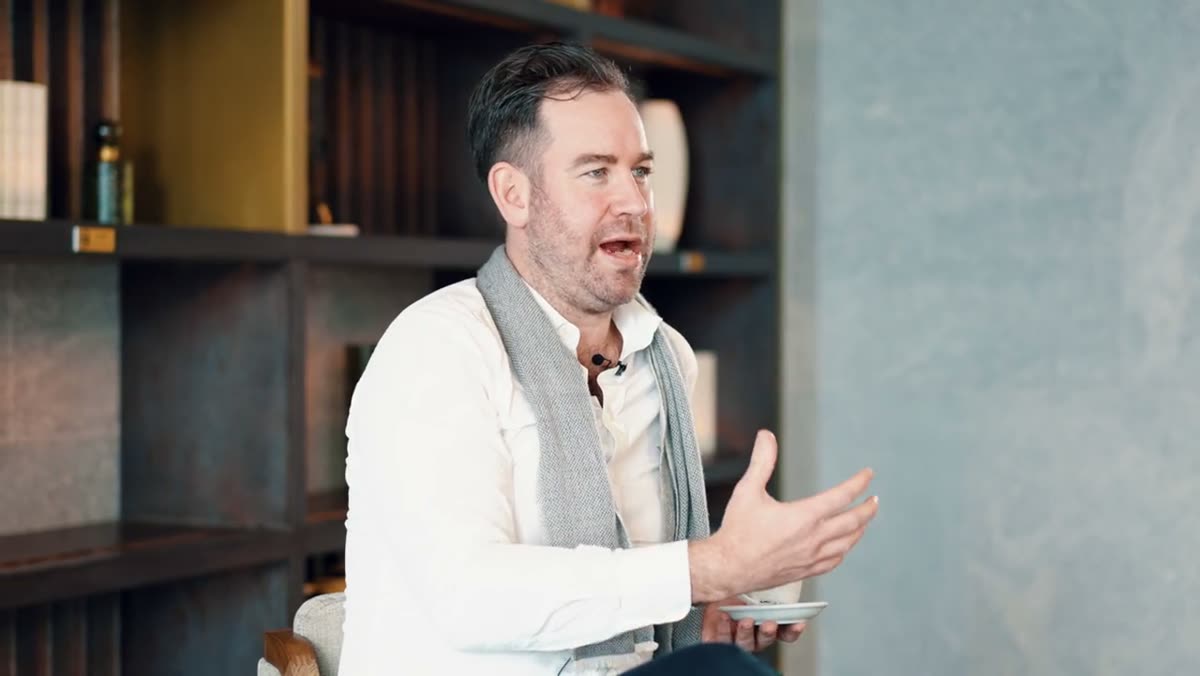
The owner, in his own room
He appears third, seated in the space, holding a cup. By now there is a reason to listen to him.
beat 05
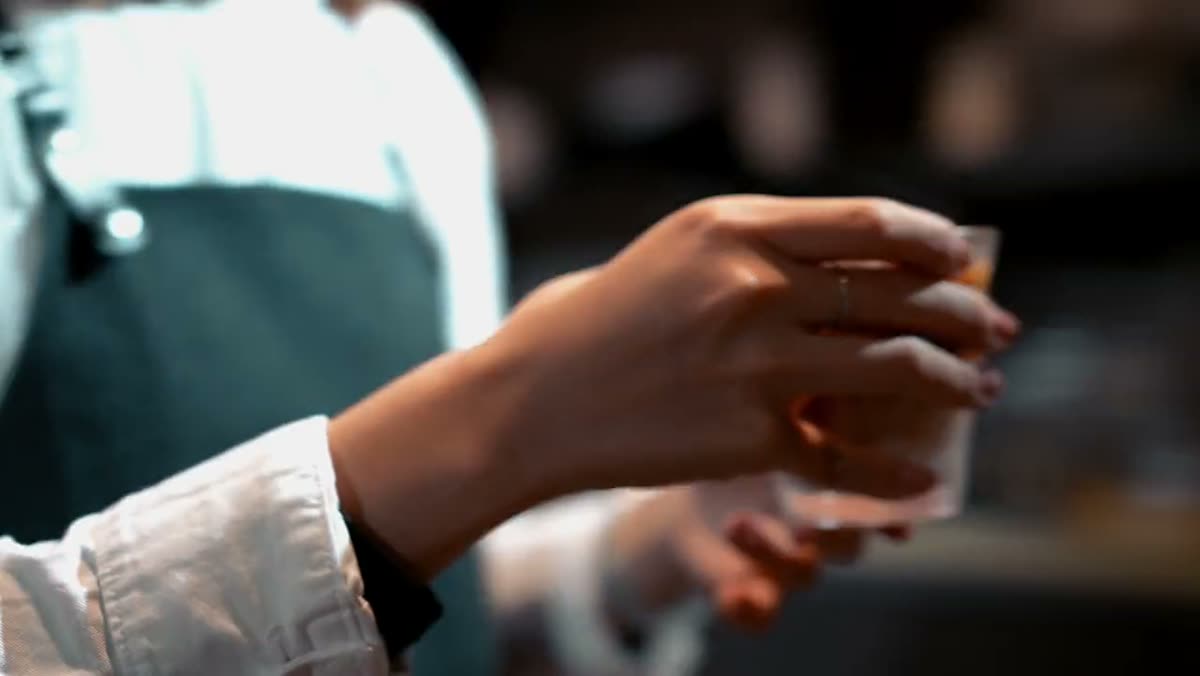
The hand-off
The cup going across the counter. The moment the product stops being made and starts being received.
beat 06
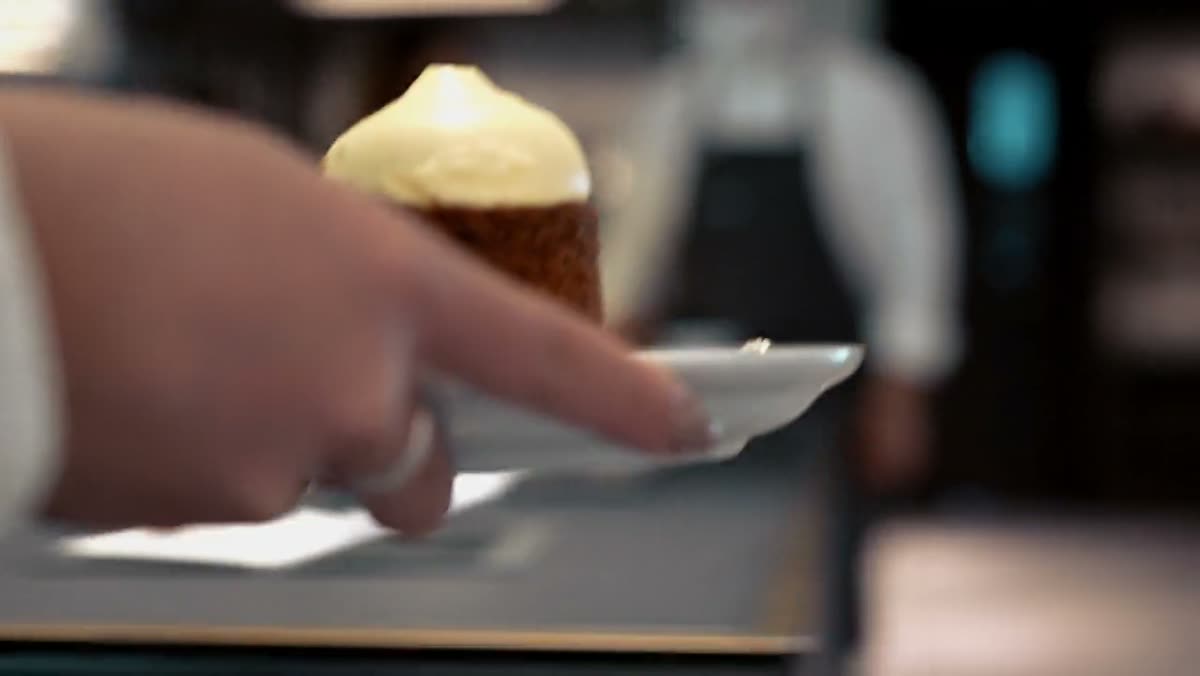
The last plate
A pastry set down. Close, quiet, and the end of the sequence rather than a logo.
the lawwhat this one proves
The differentiator is the process, and the process is almost never what gets filmed.
Interiors are what a business owns; process is what it does. One is easy to point a camera at and identical everywhere, the other takes a morning to shoot and cannot be reproduced by the shop down the road. If two competitors could swap footage without anyone noticing, the wrong thing was filmed.
Converted from Hong Kong dollars at indicative rates. Work is quoted and billed in HKD.
The part of the work behind the counter, filmed properly.
Turnaround is agreed with you before work starts.
Or write to hello@enzwa.com