case studyfilm · von vogel
A watch in three parts, filmed as the case, dial and strap are swapped.
Von Vogel splits a watch into three parts, so the case, the dial and the strap mix and match and one purchase is several watches. On a shop floor it is one watch, in one configuration, under one light. We filmed the part the cabinet cannot hold.
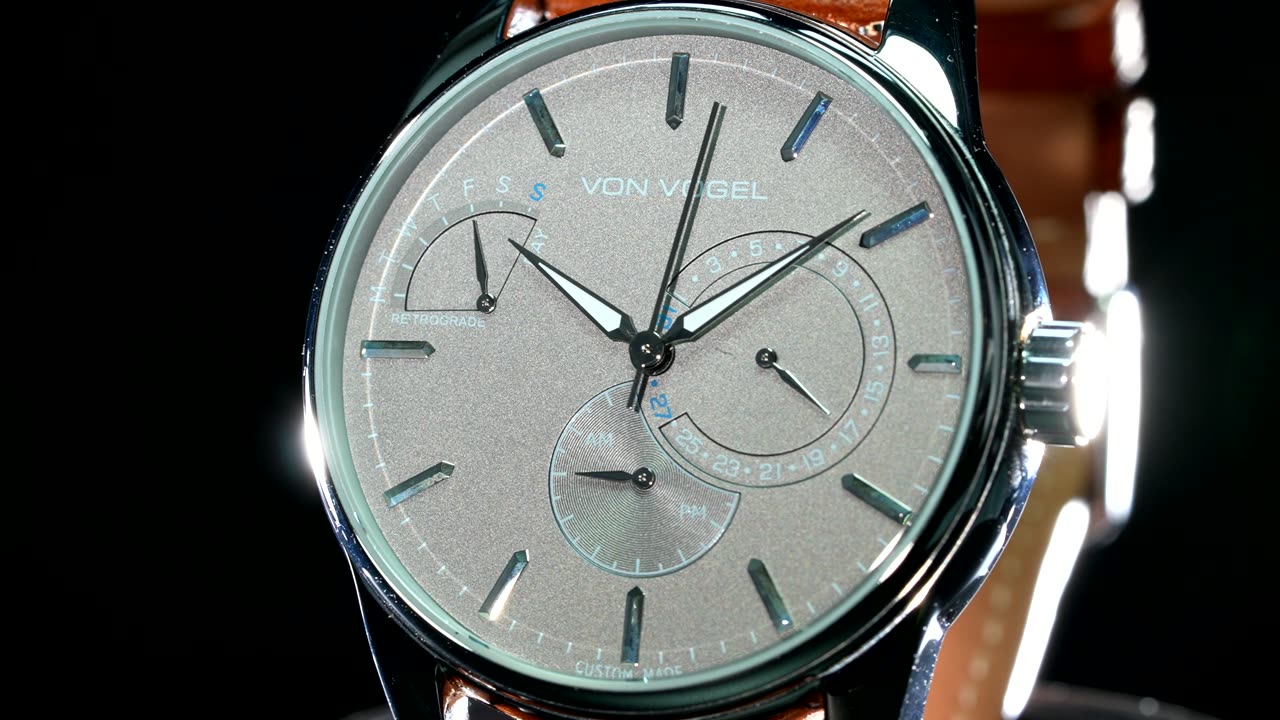
Studio, then worn: the first twelve seconds of the film
Von Vogel build a watch out of three interchangeable parts: the case, the dial and the strap. The proposition is that it changes, and a customer buying one is really buying several. As the brand scaled into shops run by other people, that argument had to survive a glass cabinet, where the watch sits in exactly one configuration and does nothing. We filmed one watch through a day instead, so a screen at the point of purchase shows the range by use rather than listing it on a card.
The challenge
Von Vogel were scaling, and the watches were increasingly sold by other people: retailers and distributors, on their floors, in their cabinets.
A modular watch is a hard thing to sell that way. Everything interesting about it is the swap, and a cabinet cannot swap. The customer sees one case, one dial and one strap, and has to be told the rest. Told is the weak version: it turns a product into a paragraph on a shelf-talker, read by nobody.
What they needed was something that worked on a screen at the point of purchase, with no salesperson standing next to it.
How we approached it
The obvious film is a configurator: parts flying together, a grid of combinations, a spinning turntable. It shows the mechanism and sells nothing, because nobody buys a watch to admire its modularity.
What they buy is the range of days one watch will cover. So the film follows a single watch through a day rather than a catalogue through its options: a desk, a market street, a run, a drive, and back to the studio it opened in.
Cut to work with no sound and no captions, because a shop screen has neither speakers nor a beginning.
the productthree parts, one of them fixed
A watch that comes apart.
The case is bought once. The dial and the strap both change, and changing either one makes a different watch. It is a simple claim to write on a shelf-talker and a hard one to see in a cabinet, where the watch sits in one configuration under one light.
One watch, in one configuration. This is what the cabinet holds.
build onethe thing a cabinet cannot do
Pick a dial and a strap.
Every dial and every strap here appears in the film: 12 combinations out of the parts in forty-seven seconds. A screen can be handled this way. A glass cabinet cannot, which is why the film had to exist at all.
Silver dial on tan leather.
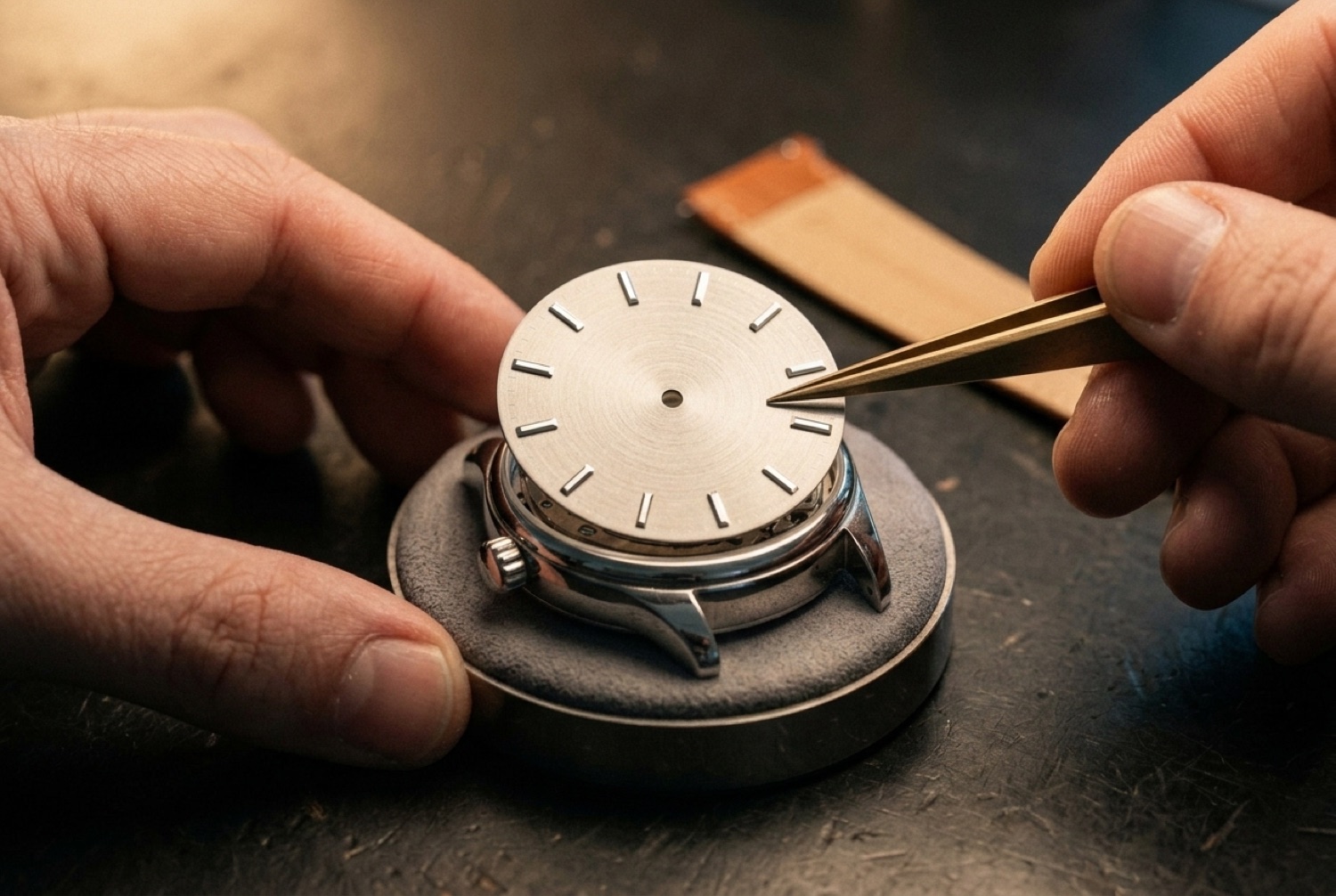
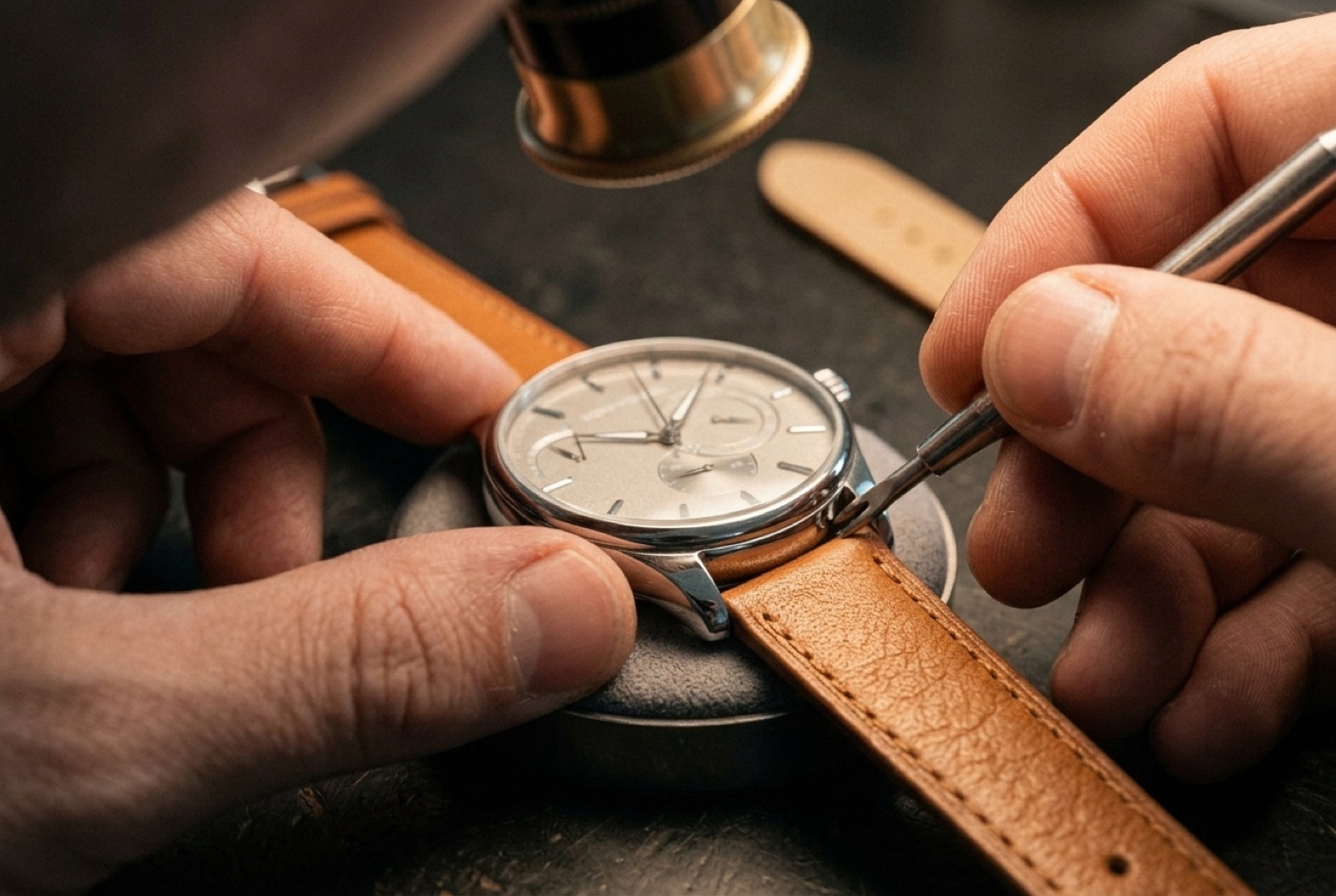
The two assembly stills above were made for this page. The watch itself is shown in the film and the frames taken from it.
the filmthe delivered cut
Forty-seven seconds, one watch.
Studio at both ends, worn in the middle. Short enough to hold a passer-by, long enough to change setting four times.
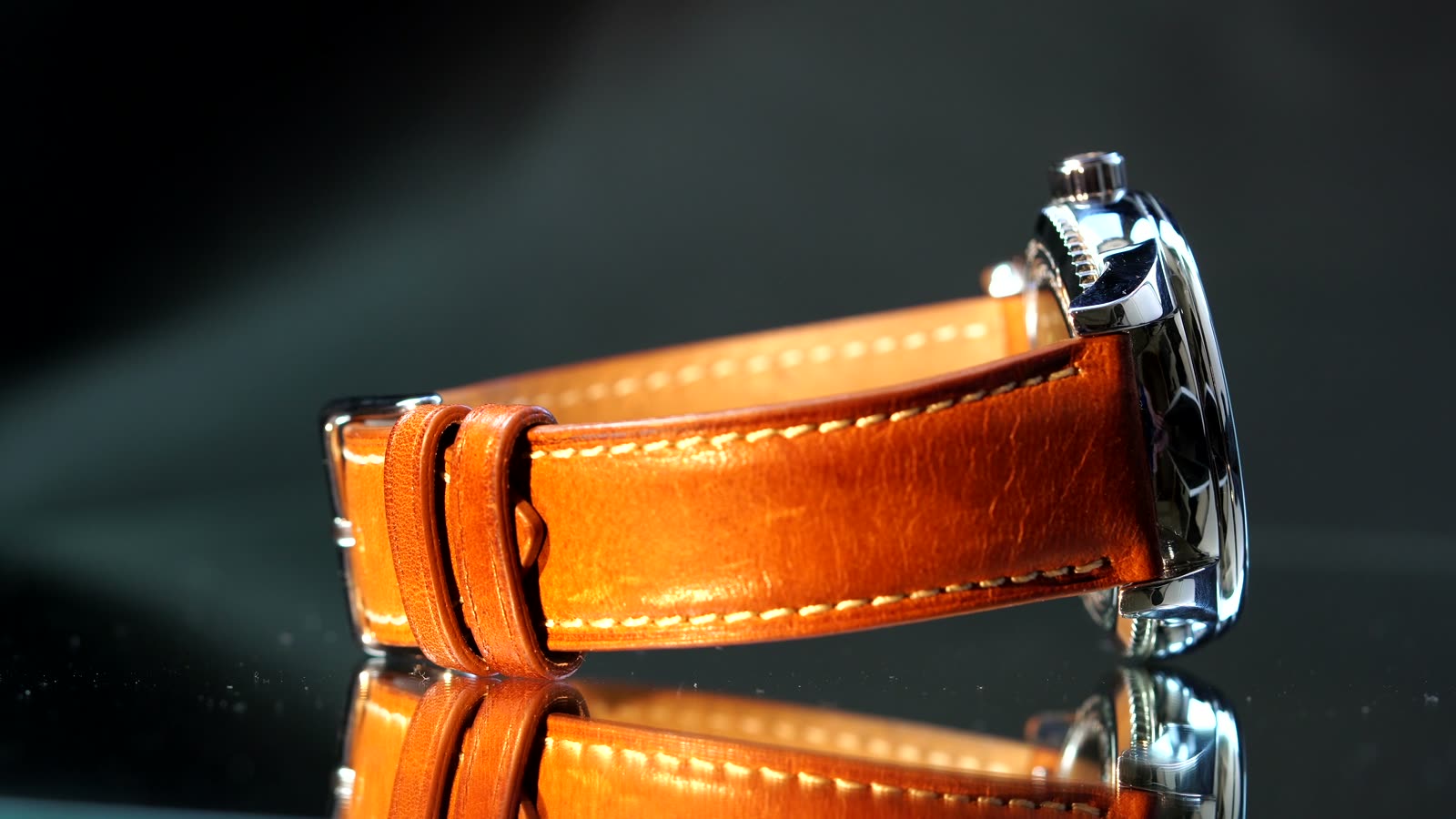
Von Vogel · 0:47
the argumentone watch, four settings
The same watch, four times.
Watch the strap. It is brown leather at the desk and on the street, black and sporting on the run and at the wheel, and it is the same watch throughout. That swap is the entire proposition, and it is the one thing a cabinet cannot perform. Each loop is cut separately so a vendor can run the one that suits their floor rather than the whole film.


the cutone watch, five lives
Forty-seven seconds to prove a product claim.
The watch is modular. The only honest way to show that is to keep changing it and keep the wrist moving.
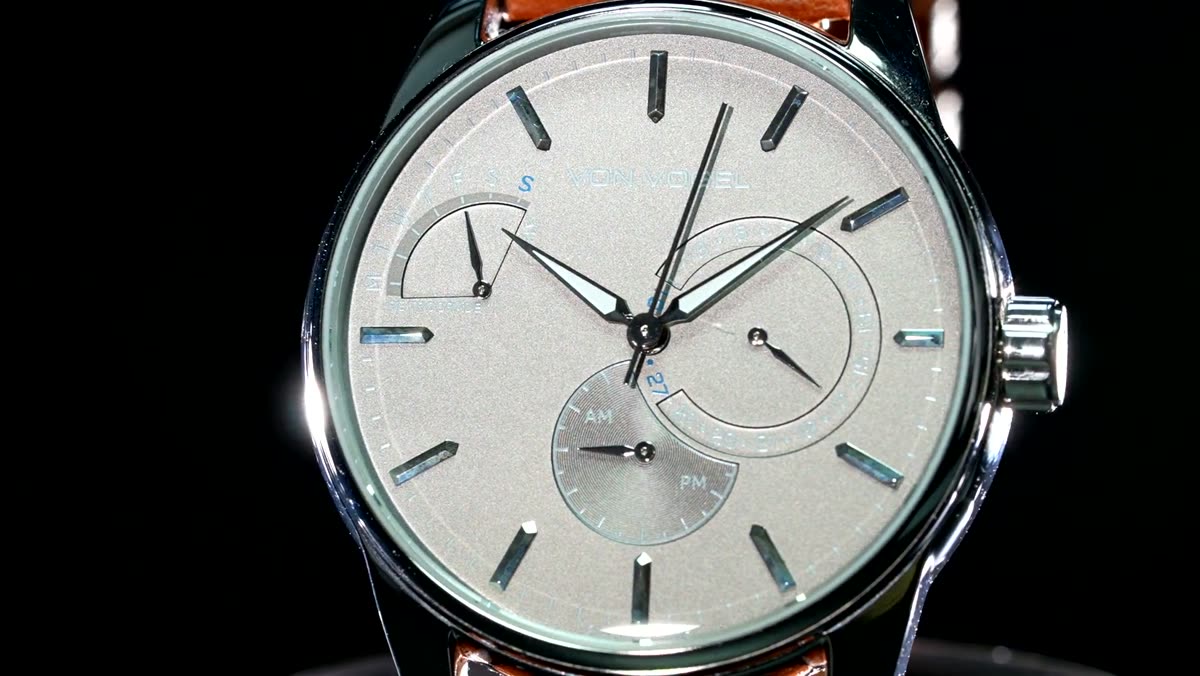
beat 01
The product, lit and still
One clean hero on black. Every configuration after this is read against it.
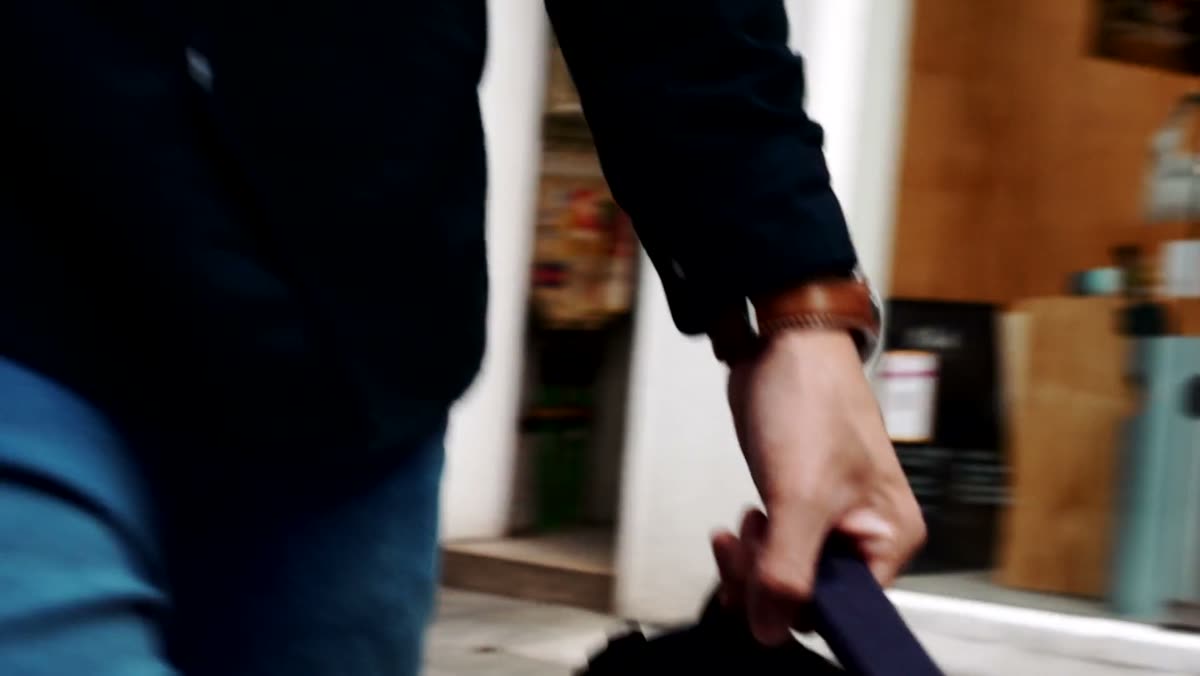
beat 02
On a wrist, in the street
Out of the studio immediately. A modular watch is an argument about daily life, not about a lightbox.
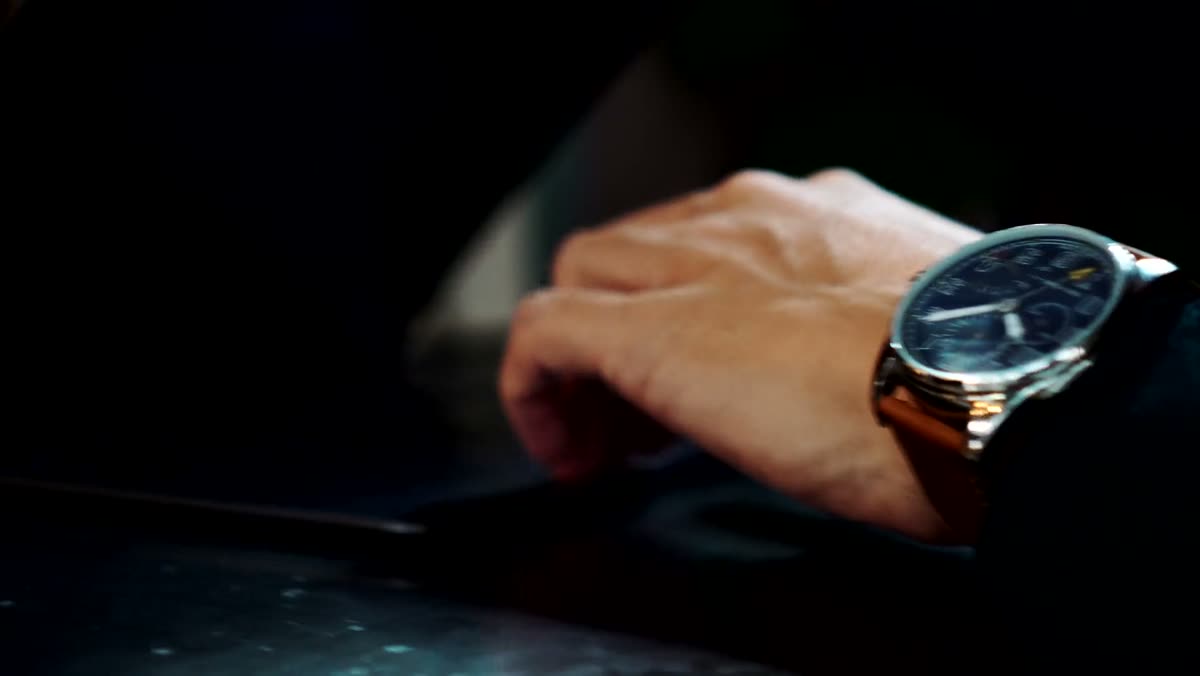
beat 03
A different face, at a desk
Blue dial, same case. The change is shown rather than captioned.
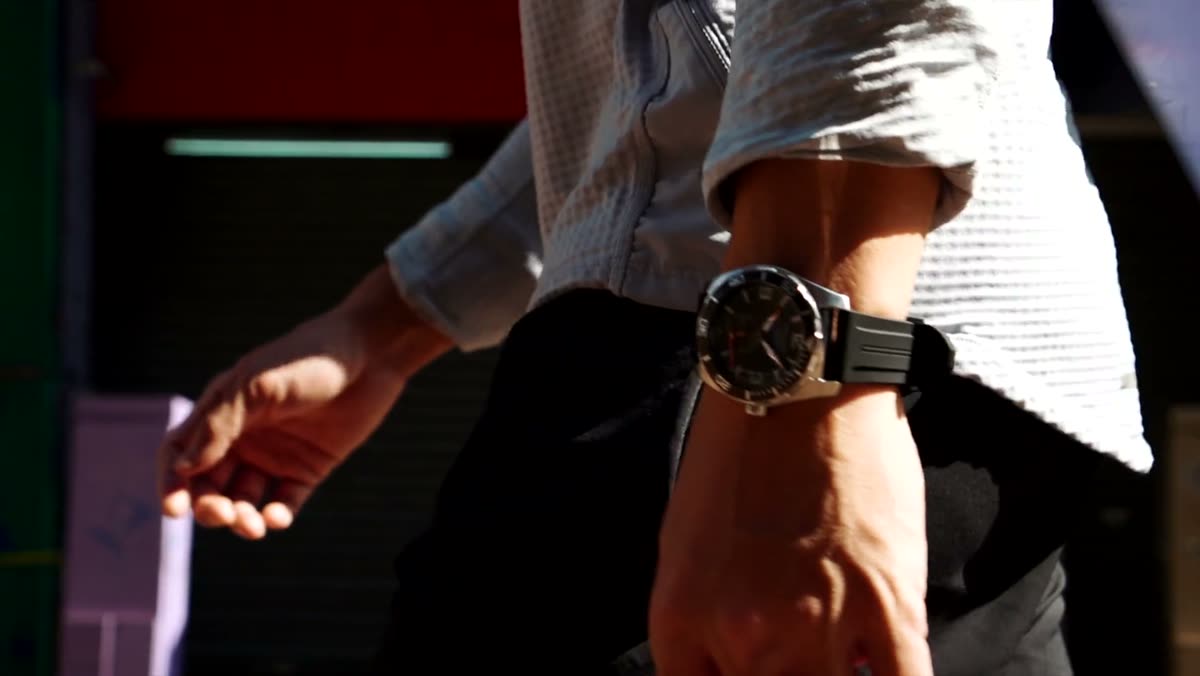
beat 04
Another, in motion
Black dial, walking. The film never stops to explain the system; it just keeps presenting it.
beat 05
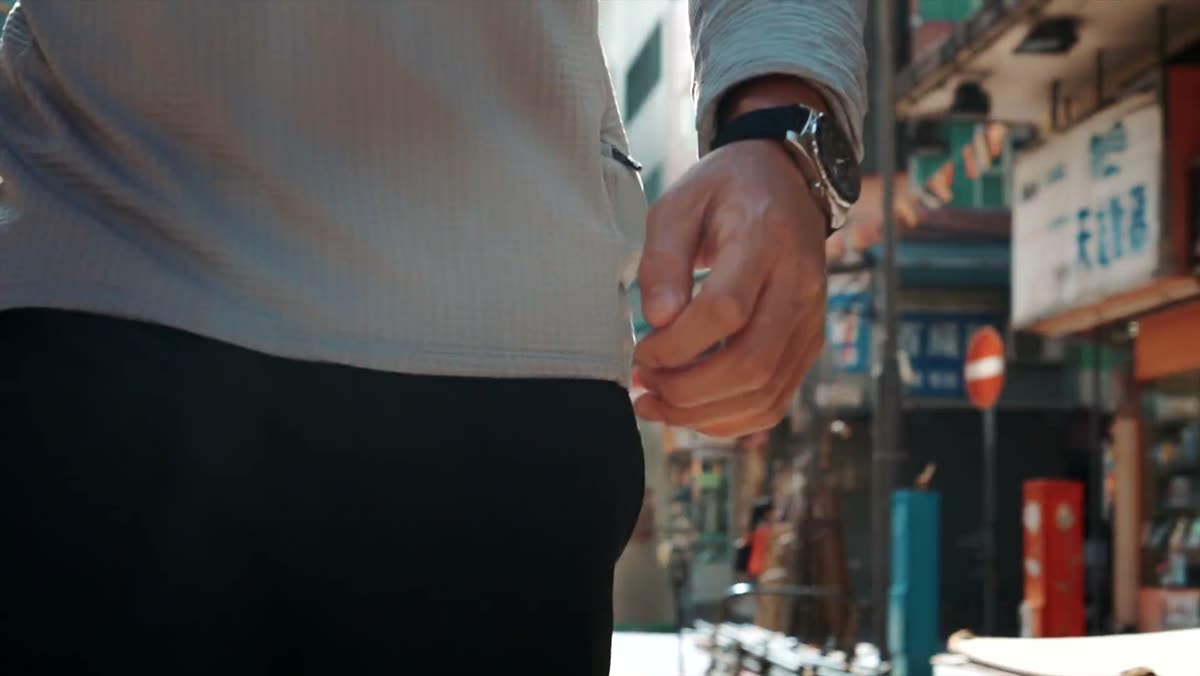
The city as the set
Signage, traffic, the wrist in the foreground. Context does the work that a spec sheet would do badly.

beat 06
Hands on the bars
White dial, gripping a scooter. Ends on use rather than on product, which is the whole claim.
the lawwhat this one proves
A product that changes has to be filmed being used.
Every configurable product has this problem: the feature is the change, and a photograph is a single state. A still of a modular watch is a still of one watch. Forty-seven seconds of it on four different days is the only version of the claim a customer can check without being talked to.
Converted from Hong Kong dollars at indicative rates. Work is quoted and billed in HKD.
A product that has to sell itself on a shelf, unattended.
Turnaround is agreed with you before work starts.
Or write to hello@enzwa.com